From Finding Bugs to Fixing Bugs: OpenAI Daybreak and GPT-5.5-Cyber Move AI Security Into the Patch Era
A practical rewrite of the CSDN report on OpenAI Daybreak, GPT-5.5-Cyber, Codex Security, the Daybreak Cyber Partner Program, and Patch the Planet, explaining why AI cybersecurity is shifting from vulnerability discovery to remediation, open-source maintenance, and human-reviewed patch workflows.
A new AI security battlefield: from discovery to remediation
Over the past year, frontier model competition has centered on coding, search, and agents. But the latest moves from OpenAI and Anthropic show that cybersecurity is becoming a new core battlefield.
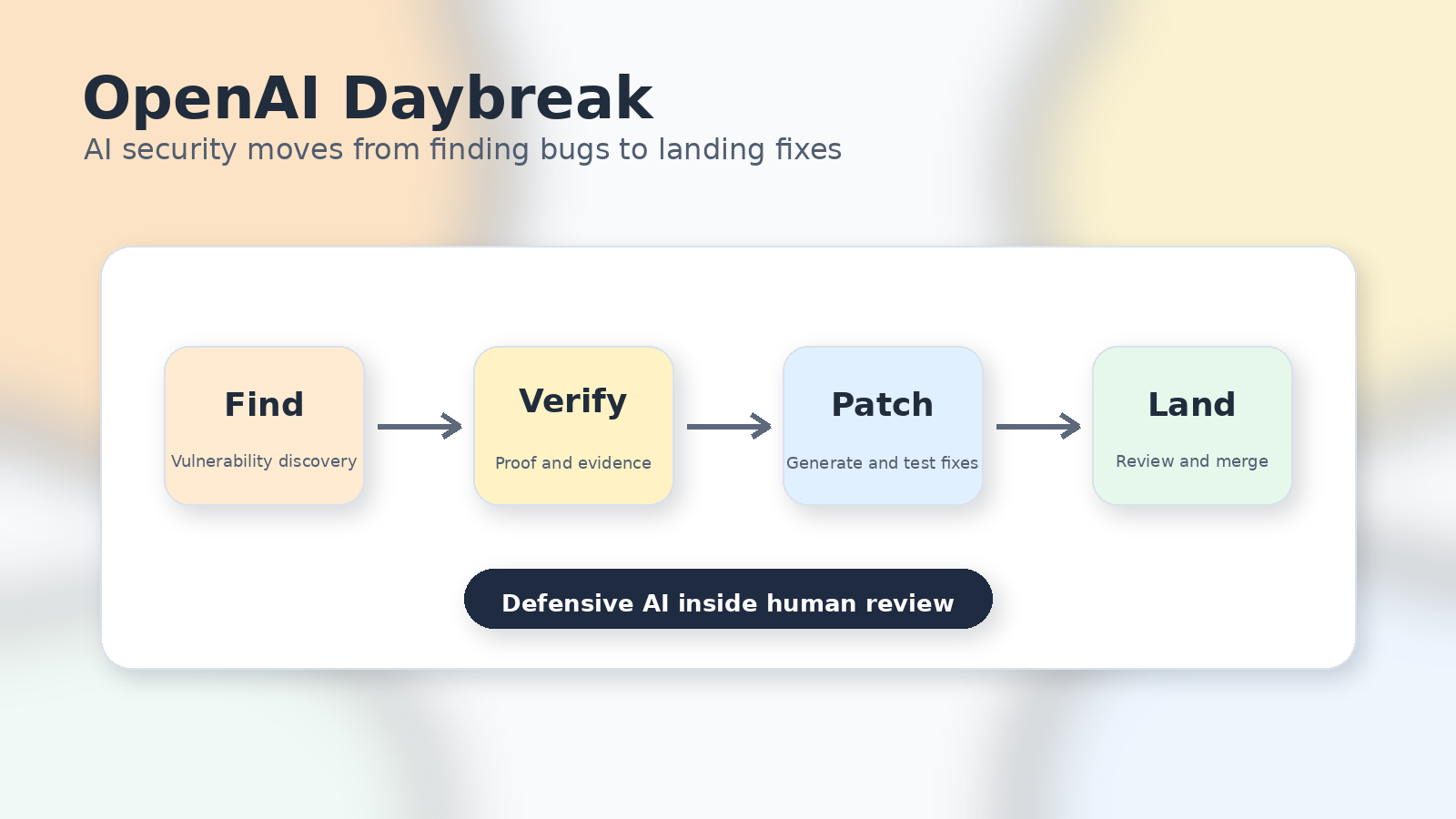
With Daybreak, OpenAI updated GPT-5.5-Cyber and introduced Codex Security, the Daybreak Cyber Partner Program, and Patch the Planet. The focus is no longer only finding more vulnerabilities. It is helping defenders validate issues, generate patches, test fixes, and preserve evidence for human review.
In other words, AI security is moving from finding problems to solving them. More alerts are not enough. The valuable output is a fix that maintainers can review, test, and merge.
What problem does Daybreak actually solve?
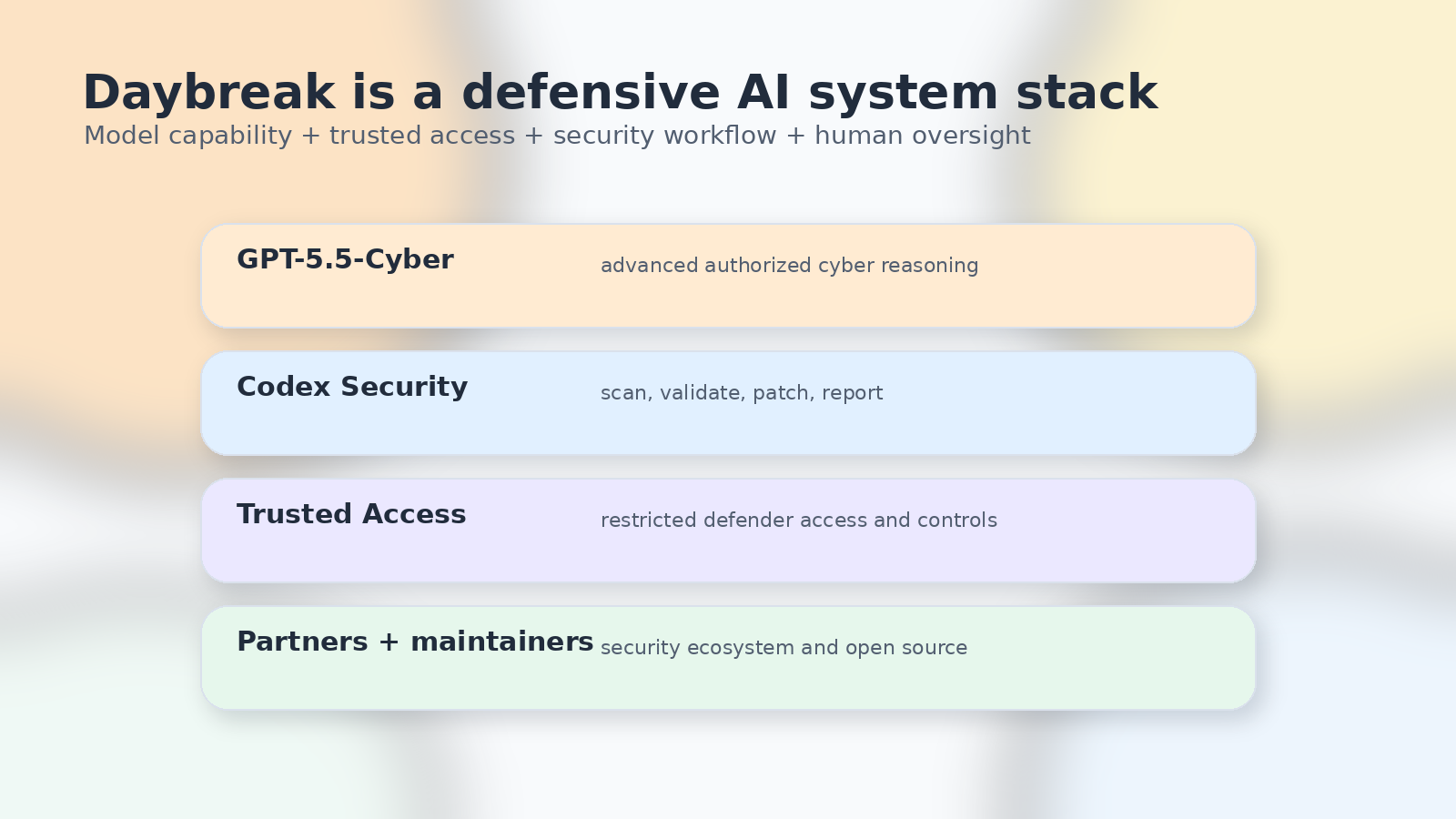
Daybreak can be understood as OpenAI’s system stack for defensive security work. It brings together frontier model capability, trusted access, Codex Security workflows, ecosystem partners, and an open-source patching initiative.
Its goal is not to replace security professionals. It is to help authorized defenders validate risks, prioritize remediation, generate fixes, test patches, and record evidence inside existing workflows.
That framing matters. As AI makes vulnerability discovery faster, the bottleneck shifts from finding issues to fixing them.
GPT-5.5-Cyber: stronger capability with tighter access
The most visible update is the full version of GPT-5.5-Cyber. It is designed for verified security professionals who need more capable and less refusal-prone behavior in advanced authorized cybersecurity tasks.
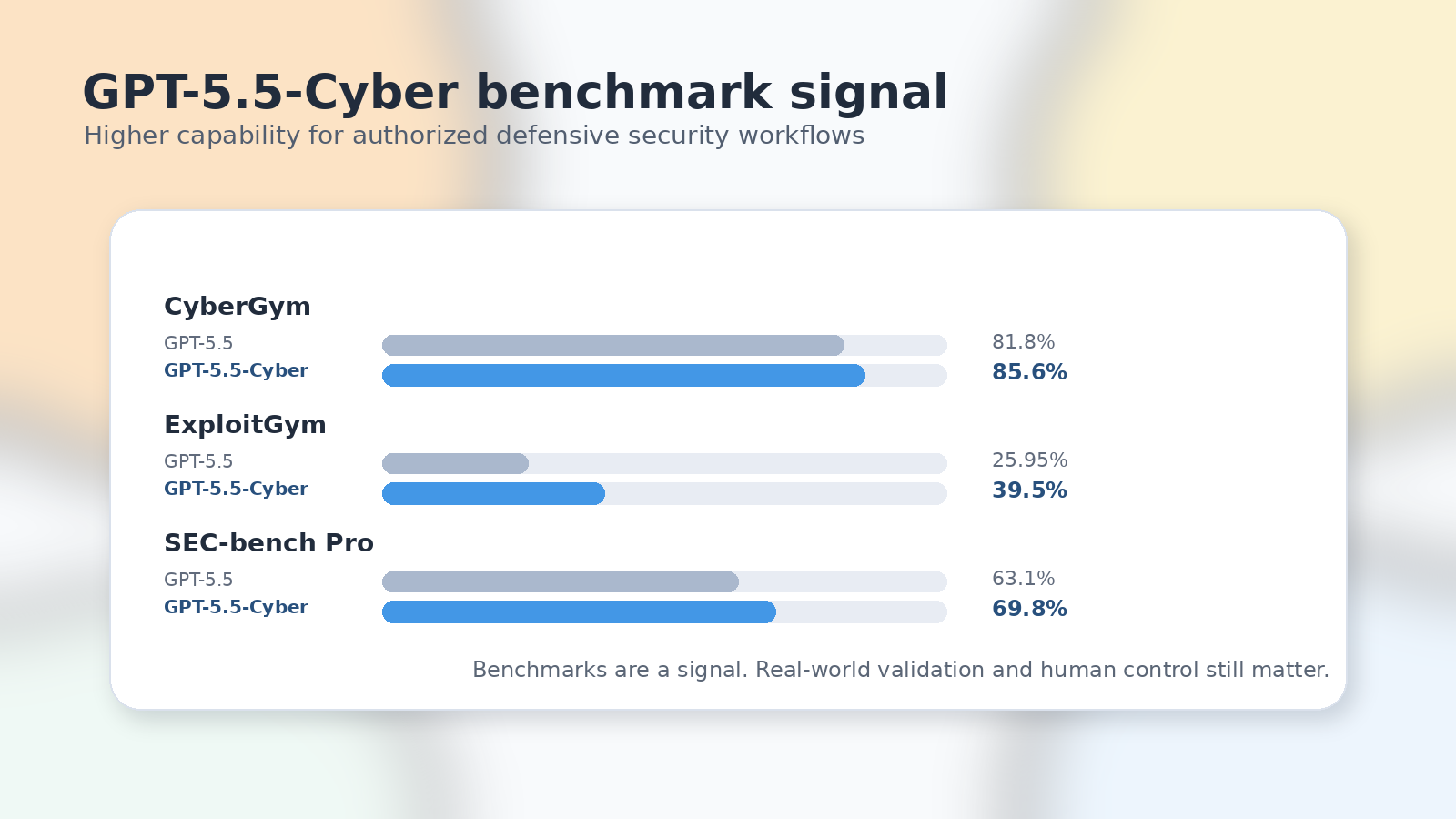
According to OpenAI’s published data, GPT-5.5-Cyber reached 85.6% on CyberGym in single-model evaluations, compared with 81.8% for GPT-5.5. It also outperformed GPT-5.5 on ExploitGym and SEC-bench Pro.
But benchmarks are only a signal. In real security work, the more important question is whether the model can separate noise from actionable issues, validate problems in controlled settings, and help close the remediation loop.
Codex Security: security remediation inside development workflow
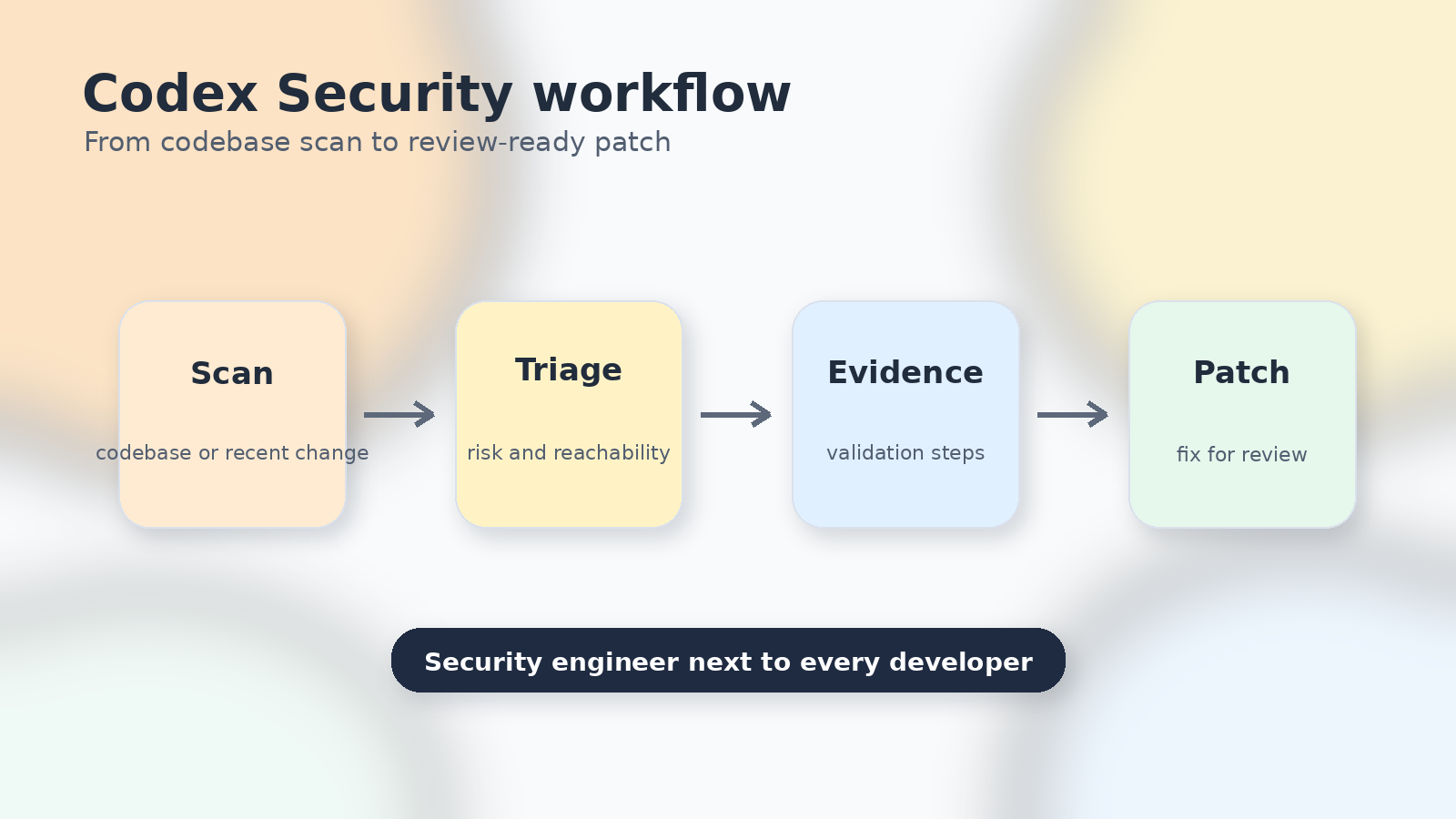
The Codex Security update shows how OpenAI thinks security tooling should evolve. AI should not merely generate scan reports; it should enter the development and remediation workflow.
The tool can scan an entire codebase or recent changes, analyze risk, trace attack paths, generate reports with severity, affected locations, evidence, and remediation guidance, and then draft patches for developer review.
If this pattern matures, security engineers will spend less time manually sorting alerts and more time reviewing evidence, threat models, and proposed patches.
Patch the Planet: adding capacity for open-source maintainers
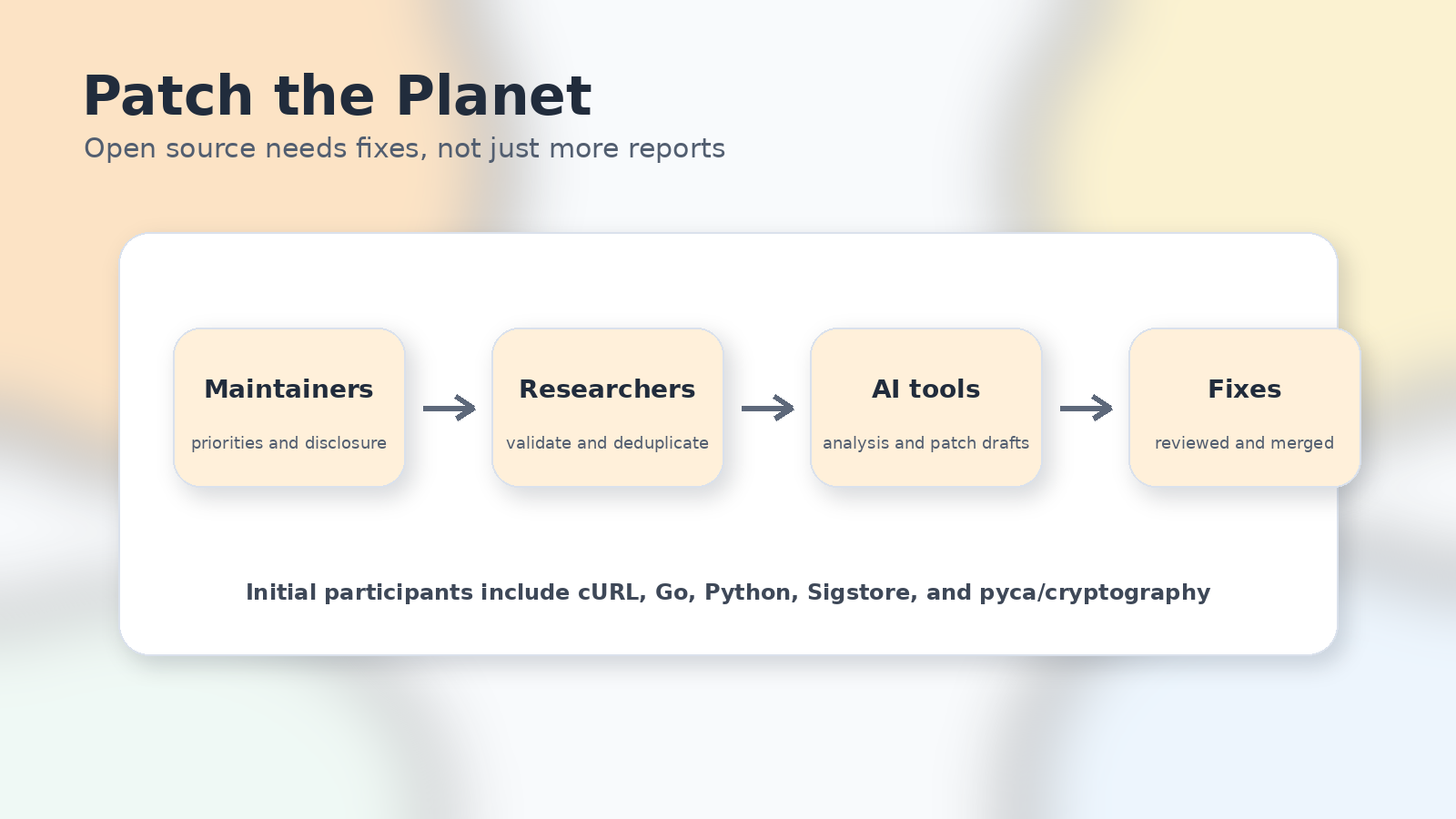
Patch the Planet addresses a practical burden on open-source maintainers. Many critical open-source projects are maintained by small teams while supporting large portions of internet infrastructure. AI can find more issues, but that also creates more reports.
OpenAI is working with Trail of Bits, HackerOne, and others so security researchers can use AI tools to validate, deduplicate, and prepare patches before maintainers review them.
That is more realistic than sending maintainers a flood of AI-generated vulnerability reports. The point is to reduce their burden and land usable fixes.
OpenAI and Anthropic enter a new arena
The competition between OpenAI and Anthropic in cybersecurity reflects a shared reality: frontier models are becoming more capable at vulnerability analysis.
The same capability can help defenders and also be misused by attackers. That is why the most powerful security models are usually limited through trusted access, permission controls, monitoring, and human review.
The next competition in AI security may not be only about model capability. It will be about who can safely connect discovery, validation, patching, disclosure, and merging into one defensible workflow.
FAQ
What is Daybreak?
Daybreak is OpenAI’s defensive cybersecurity system stack, combining model capability, trusted access, Codex Security workflows, security partners, and open-source patching initiatives.
What is the point of GPT-5.5-Cyber?
It is intended for verified security professionals working on advanced authorized tasks, helping with vulnerability analysis, validation, patch generation, and evidence preparation.
How is Codex Security different from a scanner?
A scanner mainly produces alerts. Codex Security aims to understand code, validate reachability, generate structured reports, and draft patches for review.
What problem does Patch the Planet address?
It helps open-source maintainers handle vulnerability reports by using expert researchers and AI tools to validate issues and prepare usable patches.
Why can’t these capabilities be fully open?
Because the same vulnerability analysis capability can support defenders or attackers, so trusted access, monitoring, permissions, and human review are necessary.
Related Tools
• Codex
Sources
• OpenAI Daybreak announcement
• Codex