Mona-Lisa-1 Appears in Arena: Is This OpenAI’s Next GPT Image Model?
A mysterious image-generation model called mona-lisa-1 has appeared in Arena testing, and early users are already treating it as a possible preview of OpenAI’s next GPT Image update. The first comparisons focus on one improvement in particular: realism. Compared with the publicly available GPT Image 2, several community tests suggest that mona-lisa-1 produces skin, lighting, texture, motion blur, and photographic imperfections that feel less polished in the artificial sense and more like ordinar
Mona-Lisa-1 Appears in Arena: Is This OpenAI’s Next GPT Image Model?
Introduction
A mysterious image-generation model called mona-lisa-1 has appeared in Arena testing, and early users are already treating it as a possible preview of OpenAI’s next GPT Image update.
The first comparisons focus on one improvement in particular: realism.
Compared with the publicly available GPT Image 2, several community tests suggest that mona-lisa-1 produces skin, lighting, texture, motion blur, and photographic imperfections that feel less polished in the artificial sense and more like ordinary camera output.
In other words, the familiar “plastic” look appears to be reduced.
The more important question is where the model came from.
OpenAI has not officially announced a model named mona-lisa-1. Its current API documentation still identifies gpt-image-2 as the company’s state-of-the-art public image-generation model.
However, an image generated by mona-lisa-1 was reportedly checked with OpenAI Verify, where a supported OpenAI provenance signal was detected. OpenAI’s own documentation says the verification tool looks for signals associated with OpenAI-generated or OpenAI-exported content, including SynthID and trusted C2PA metadata.
That makes an OpenAI connection plausible, but it is still different from an official product announcement.
Accuracy note: As of August 12, 2026, OpenAI has not publicly announced, documented, priced, or released a model named
mona-lisa-1. The model should be treated as an anonymous Arena test candidate with strong indications of an OpenAI origin.
A Possible New GPT Image King Appears
GPT Image 2 arrived in April 2026 and quickly became the strongest public image model on Arena’s main text-to-image ranking.
That position remains intact.
Arena’s August 10 leaderboard places gpt-image-2 (medium) at No. 1 in text-to-image with a score of 1381 ± 5. Arena’s image-editing leaderboard also places GPT Image 2 at the top of its overall ranking.
So the baseline mona-lisa-1 is being compared against is already unusually strong.
The source article says the anonymous model appeared in Arena blind testing under the codename mona-lisa-1.
Community account AiBattle_ then reported checking one of the model’s outputs with OpenAI’s public verification system. The result reportedly detected an OpenAI-associated SynthID provenance signal.
OpenAI’s official verification documentation helps clarify what that means.
OpenAI Verify is designed to inspect supported image and audio files for provenance signals associated with OpenAI tools. For images, those signals can include:
- SynthID watermarks
- C2PA metadata
- OpenAI-associated provenance information
A positive result can support the conclusion that a file was generated or exported through OpenAI tools.
It does not reveal every detail about the internal model that produced the file.
So a verification result may support the idea that mona-lisa-1 is connected to OpenAI without proving that the eventual public product will use that codename, architecture, checkpoint, or configuration.
What Is Confirmed and What Is Still Inferred?
| Claim | Status |
|---|---|
A model called mona-lisa-1 has been reported in Arena image battles |
Strongly supported by multiple independent user reports |
| GPT Image 2 is OpenAI’s current public state-of-the-art image model | Confirmed by OpenAI |
| OpenAI Verify can detect OpenAI-associated SynthID and C2PA provenance signals | Confirmed by OpenAI |
| A mona-lisa-1 output reportedly triggered an OpenAI provenance result | Reported by AiBattle_ |
| mona-lisa-1 is definitely OpenAI’s next public image model | Not officially confirmed |
| The model will be called GPT Image 2.5 | Speculation |
| The anonymous Arena version is the final release checkpoint | Unknown |
That distinction is worth keeping throughout the article.
The early samples are interesting. The product identity is still unannounced.
The “Plastic” Look Appears to Be Reduced
The strongest early reaction to mona-lisa-1 has centered on photographic realism.
Developer Riccardo Wolf reportedly tested the same or closely matched prompt across GPT Image 2 and mona-lisa-1.
The source article presents three outputs side by side: GPT Image 2 at medium quality, mona-lisa-1, and GPT Image 2 at high quality.
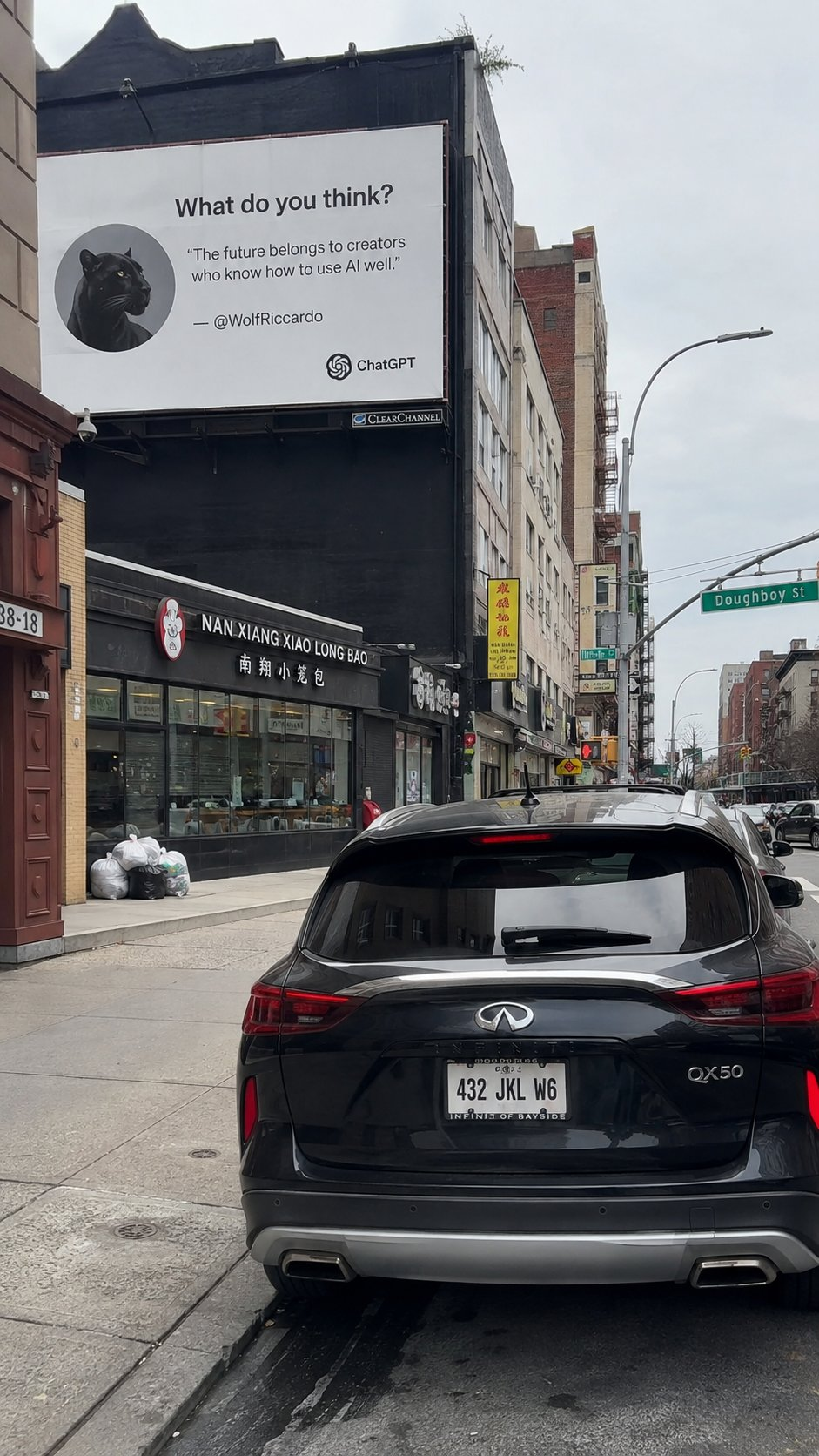
One of the GPT Image 2 comparison outputs shown in the original report.
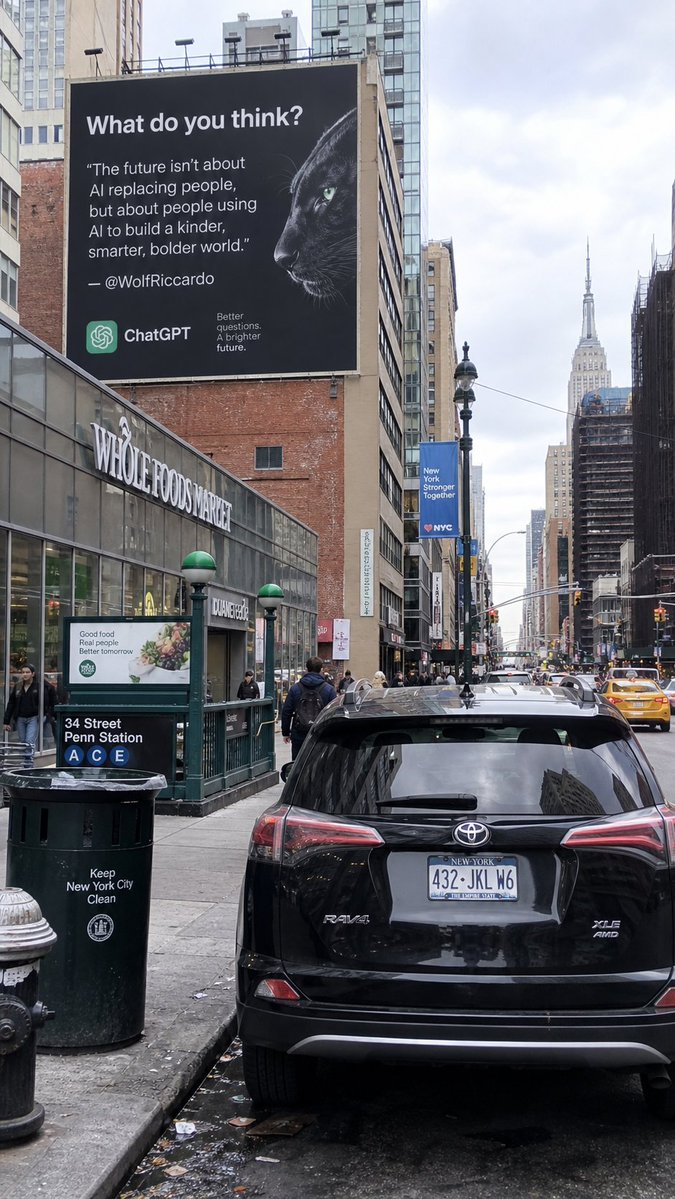
The mona-lisa-1 sample shown between the GPT Image 2 comparison outputs.
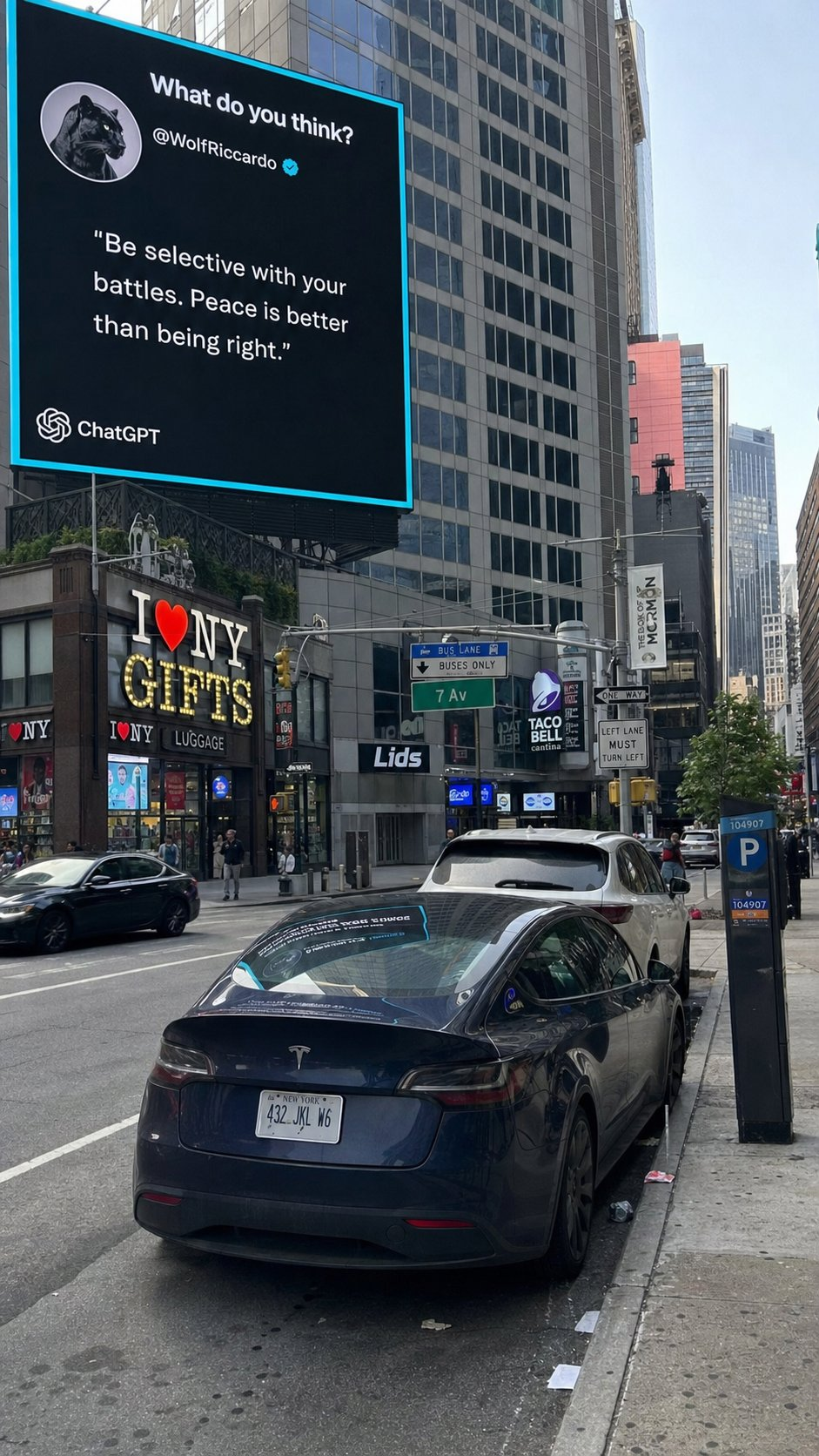
The higher-quality GPT Image 2 comparison output shown in the source article.
The difference is not simply “more detail.”
A common weakness in highly polished AI imagery is that every surface looks deliberately perfected:
- Skin becomes too smooth
- Lighting becomes too cinematic
- Faces become too symmetrical
- Hair looks individually arranged
- Background blur feels synthetic
- Small imperfections disappear
- Texture becomes glossy instead of physical
Community testers say mona-lisa-1 is more willing to preserve the kinds of visual imperfections that make a photograph feel ordinary.
Those may include:
- Uneven skin texture
- Freckles
- Stray hairs
- Slight overexposure
- Harsh flash
- Natural redness
- Nonuniform motion blur
- Messier environmental detail
That can make an image feel more realistic even if it is not objectively “cleaner.”
More Detail in Portraits
One comparison shared in the source places GPT Image 2 beside mona-lisa-1 on a street portrait.
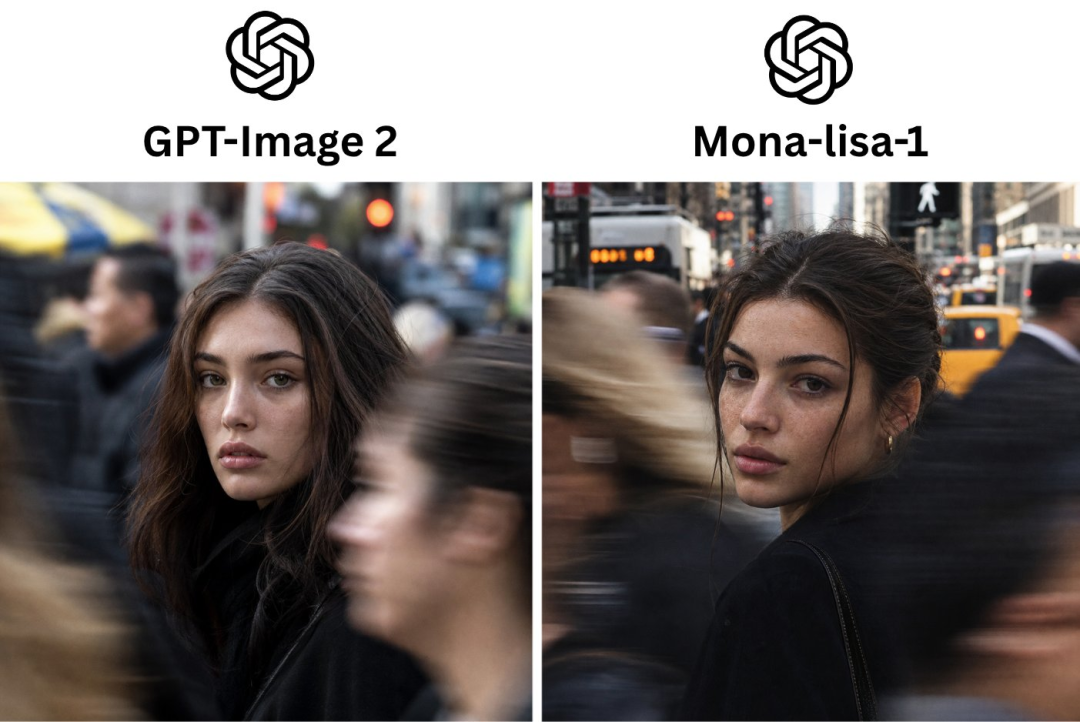
The source compares GPT Image 2 with mona-lisa-1 on portrait realism and environmental detail.
The mona-lisa-1 result appears to emphasize:
- Stronger facial texture
- More visible skin variation
- Less uniform hair
- More natural-looking background motion
- A slightly less “studio-finished” appearance
These are visual judgments from individual examples, not standardized benchmark findings.
A model may outperform another on one prompt and lose on the next.
The useful signal is that multiple testers independently noticed a similar shift toward less synthetic-looking realism.
Artistic Images Also Look Less Algorithmic
The source article argues that the change extends beyond photorealism.
In painterly and atmospheric images, mona-lisa-1 reportedly produces more nuanced transitions in:
- Color
- Light
- Mist
- Texture
- Depth
- Composition
One example is a watercolor-like coastal scene.

An atmospheric art example included in the source article.
The appeal here is not realism in the photographic sense.
It is the ability to create a coherent visual style without falling into a stereotypical “AI art” aesthetic.
That remains subjective, but it is an important direction for image models. Once basic object generation becomes reliable, users start caring more about whether the model can make deliberate aesthetic choices without making everything look generically beautiful.
More Complex Infographics and Designed Images
GPT Image models have already been strong at generating images containing structured text, layouts, diagrams, and interface-like compositions.
OpenAI officially highlights stronger layout handling and improved text rendering as major capabilities of GPT Image 2.
The mona-lisa-1 examples suggest that OpenAI may be pushing further in the same direction.
The source includes tests involving:
- Web interfaces
- Anatomy diagrams
- Dense AI infographics
- Stylized self-portraits
- Handwritten pages
- Anime posters
- Complex commercial compositions
Anatomy Diagrams
One especially demanding example is a labeled human thorax illustration.
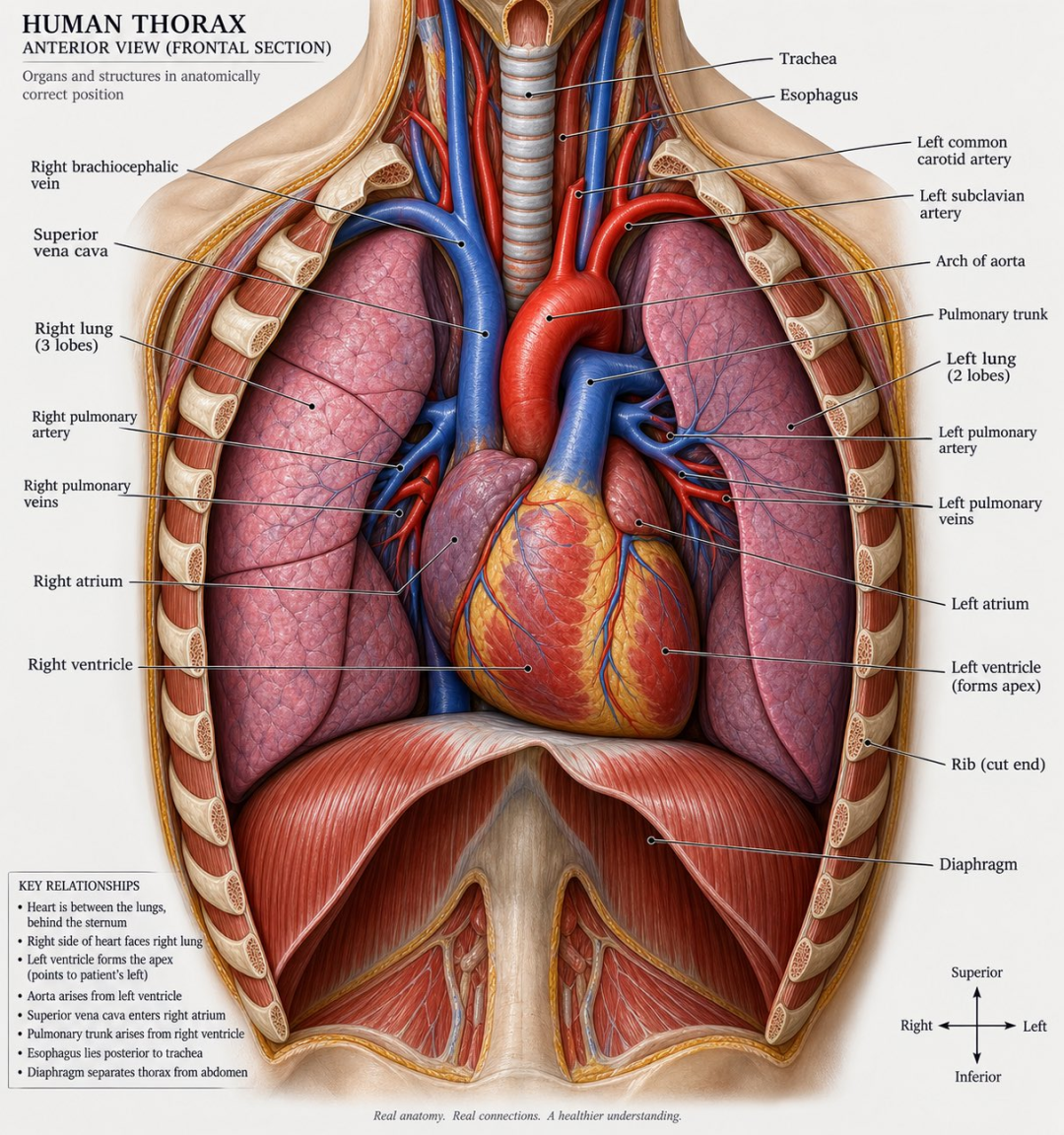
The source article highlights mona-lisa-1’s ability to generate a dense labeled anatomy illustration.
This type of task combines several difficult requirements:
- Anatomical structure
- Spatial composition
- Fine line work
- Dense labels
- Readable typography
- Leader lines connecting labels to structures
- Consistent layout hierarchy
A visually convincing medical diagram should not automatically be treated as medically accurate.
Generated educational or healthcare graphics still require expert review, especially when small labeling errors could mislead the reader.
The example is valuable mainly as evidence that image models are becoming better at structured visual communication, not only illustration.
Handwritten Content
The source also shows a long handwritten page styled as if written by Albert Einstein.
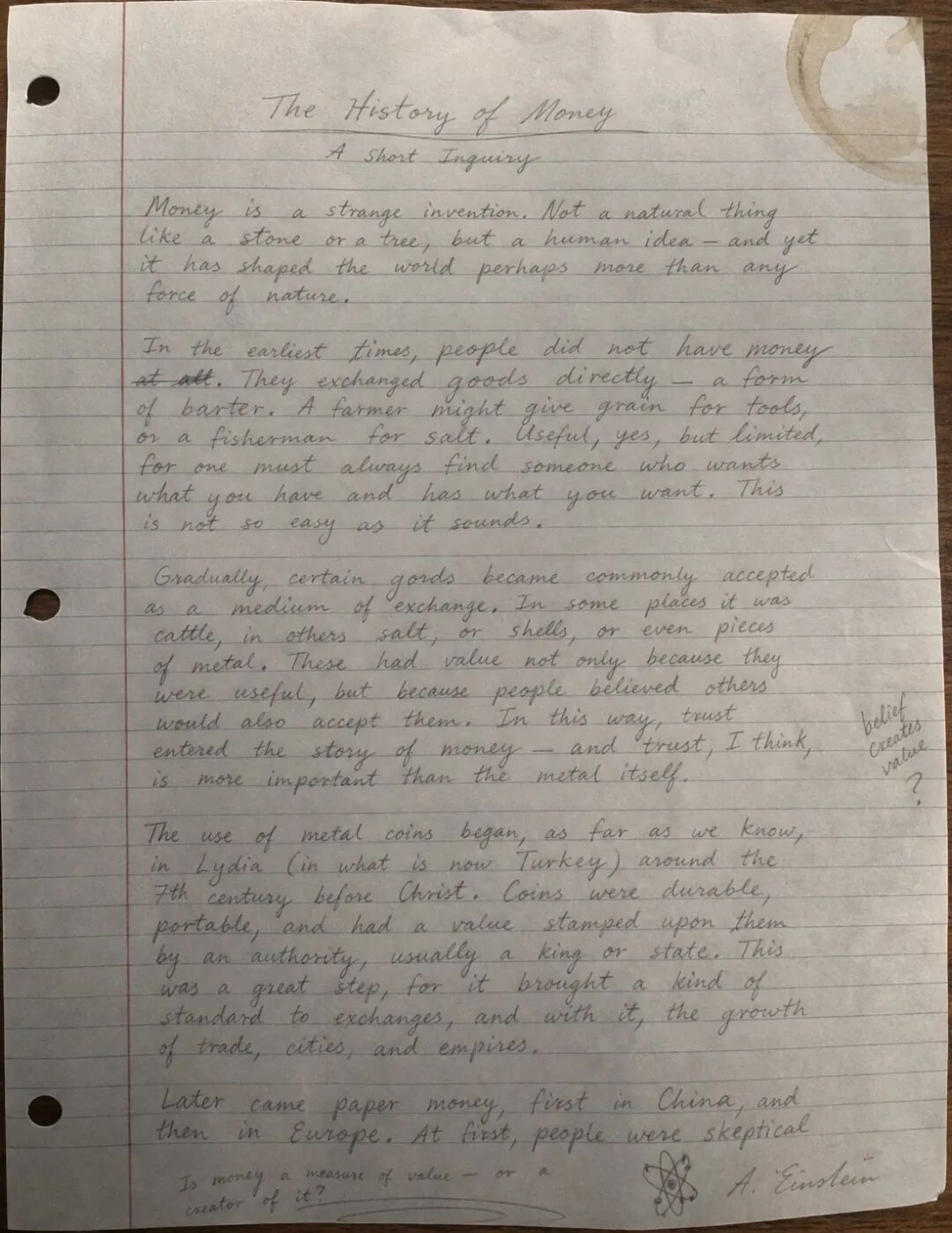
The model was tested on a long handwritten-style document.
The impressive part is not whether the handwriting is historically authentic.
It is that modern image systems can increasingly coordinate:
- Long text
- Handwriting style
- Page texture
- Margins
- Line spacing
- Decorative marks
- Visual aging
That opens new creative possibilities, while also making provenance tools such as C2PA and SynthID more relevant.
Anime Poster Layouts
The source also includes a dense anime poster with multiple inset panels, typography, background scenery, and decorative framing.

An anime poster example demonstrating composition, text, framing, and character consistency.
This type of prompt tests whether the model can behave more like a layout engine than a pure renderer.
It needs to understand that some elements are:
- Main subjects
- Secondary panels
- Decorative text
- Labels
- Background scenes
- Framing devices
That is increasingly important for real design workflows.
Commercial users often need a model to create an entire visual composition rather than a single centered object.
Is Mona-Lisa-1 a New “Brain” or Just a Better Checkpoint?
The final section of the source asks whether mona-lisa-1 is based on a fundamentally newer model.
The evidence presented is indirect.
A tester reportedly ran several date-related prompts and found that the model repeatedly behaved as though its knowledge ended in 2025.
Attempts to generate content requiring very recent information also failed.
The source then compares that behavior with the reported knowledge horizon of GPT Image 2 and suggests mona-lisa-1 may be a newer checkpoint built on the same broad generation stack rather than an entirely new foundation model.
That is possible, but it is not something the public evidence can establish.
Why “What Date Is It?” Is a Weak Training-Cutoff Test
An anonymous image model in Arena may not have:
- Web access
- A reliable system date
- The same system prompt as ChatGPT
- The same retrieval tools as a public product
- The same surrounding language model configuration
If a model fails to generate recent information, several explanations are possible.
The training data may be old.
The model may not have retrieval.
The test harness may hide the date.
The anonymous deployment may use an internal system configuration that differs from the final product.
So date-prompt experiments are useful clues, but they should not be treated as proof that training “finished in 2025.”
The “GPT Image 2.5” Name Is Community Speculation
Some testers have informally described mona-lisa-1 as an “Image 2.5” style update.
That label is not official.
OpenAI’s public model catalog currently lists gpt-image-2 as its latest image-generation model.
There is no public OpenAI documentation for:
mona-lisa-1
or:
gpt-image-2.5
The codename suffix -1 may suggest multiple experimental checkpoints, but that is also an inference.
Anonymous Arena testing is often used to compare model variants before a public release. It does not guarantee that every candidate becomes a product.
What the Current Public Data Actually Says
At the moment, there are two separate stories.
The first is the public market.
GPT Image 2 remains OpenAI’s official image-generation flagship and remains No. 1 on Arena’s text-to-image leaderboard as of the latest published ranking.
The second is the experimental signal.
A model called mona-lisa-1 is appearing in community testing, and multiple users report improvements in:
- Photorealism
- Skin texture
- Environmental detail
- Complex layouts
- Typography
- Illustration
- Infographics
A reported OpenAI provenance result strengthens the case that the model is connected to OpenAI.
What is still missing is the most important thing: an OpenAI announcement.
Until that happens, there is no confirmed:
- Public model name
- API model ID
- Price
- Release date
- Model card
- Technical report
- Training cutoff
- Benchmark score
- Product availability
- Final capability set
That makes mona-lisa-1 interesting, but still experimental.
FAQ
What is mona-lisa-1?
Mona-lisa-1 is the codename of an anonymous image model reported in Arena testing in August 2026. Early users have compared it with GPT Image 2 and reported stronger realism, detail, and complex visual composition.
Is mona-lisa-1 officially an OpenAI model?
OpenAI has not officially announced a model with that name. However, a community test reportedly detected an OpenAI-associated provenance signal using OpenAI Verify, which makes an OpenAI connection credible but not formally confirmed.
Is mona-lisa-1 GPT Image 2.5?
There is no official model called GPT Image 2.5 in OpenAI’s public documentation as of August 12, 2026. “GPT Image 2.5” is currently a community nickname or speculation about where the experimental model may fit.
Is mona-lisa-1 better than GPT Image 2?
Some early side-by-side examples suggest better photorealism and more natural texture, but there is no official benchmark or stable public leaderboard score for mona-lisa-1. GPT Image 2 remains No. 1 on Arena’s published text-to-image leaderboard.
What is OpenAI Verify?
OpenAI Verify is a public provenance-checking tool. It can inspect supported images and audio files for signals associated with OpenAI-generated or OpenAI-exported content, including SynthID and C2PA signals.
Does a SynthID result prove the exact OpenAI model used?
No. A provenance signal can help establish that content is associated with OpenAI tools, but it does not necessarily identify every internal model detail. OpenAI’s verification API can expose model information when it is available in supported provenance metadata, but not every signal contains the same fields.
Does mona-lisa-1 know information after 2025?
Some community testers reported that it failed date-sensitive tests involving newer information. That does not prove a formal knowledge cutoff because the anonymous Arena deployment may lack web access, system-date access, or the retrieval tools used in a finished product.
When will OpenAI release mona-lisa-1?
OpenAI has not announced a release date or confirmed that the Arena checkpoint will become a public product. It should currently be treated as an experimental model candidate.
相关工具
- OpenAI Image Generation API: Official API documentation for generating and editing images with GPT Image models.
- GPT Image 2: OpenAI’s current public state-of-the-art image-generation model.
- OpenAI Verify: Checks supported image and audio files for OpenAI-associated provenance signals.
- OpenAI Content Provenance API: Developer API for checking C2PA and SynthID provenance signals.
- Arena: Blind model-comparison platform used to compare image, text, video, and other AI models.
- OpenAI Image Prompting Guide: Official production-oriented prompting patterns for GPT Image 2.
Related Links
- OpenAI: Introducing ChatGPT Images 2.0: Official introduction to the current GPT Image generation system.
- GPT Image 2 Model Documentation: Current OpenAI specifications and supported API endpoints.
- OpenAI Verify: Official tool for checking supported OpenAI provenance signals.
- OpenAI Provenance Signals Help Center: Explanation of SynthID, C2PA, verification results, and limitations.
- Arena Text-to-Image Leaderboard: Current public ranking of image-generation models based on Arena voting.
- Arena Image Editing Leaderboard: Current image-editing ranking across major models.
- AiBattle_ Mona-Lisa-1 Report: The community report cited by the source article regarding the anonymous model and provenance check.
Summary
Mona-lisa-1 is an anonymous Arena image model that early testers say produces more natural-looking photographs, richer visual detail, and stronger complex layouts than GPT Image 2 in some side-by-side examples.
The evidence for an OpenAI connection is meaningful but not equivalent to an official announcement. A community user reportedly detected an OpenAI-associated provenance signal with OpenAI Verify, while OpenAI’s documentation confirms that the tool checks for supported SynthID and C2PA signals associated with OpenAI-generated content.
GPT Image 2 remains OpenAI’s official public flagship and currently leads Arena’s published text-to-image leaderboard. Claims that mona-lisa-1 is definitely “GPT Image 2.5,” finished training in 2025, or represents the final next-generation release remain speculative.
The clearest conclusion is that mona-lisa-1 looks like a credible OpenAI image-model experiment—but the model is still a preview signal, not a public product announcement.