Fable 5 and Claude Tag: Why Engineers Are Becoming AI Work Reviewers
Claude Tag and Fable 5 show a clear direction for AI software engineering. AI is no longer limited to completing a line of code or answering a short prompt. It is moving toward shared team workflows, long-running tasks, and PR-level delivery. That does not remove engineers from the process. It changes where engineering skill matters most. The human role moves toward task framing, acceptance criteria, testing, review, and merge decisions. **The next important engineering skill is not simply writing better prompts. It is knowing how to define, verify, and safely accept AI-generated work.**
Fable 5 and Claude Tag: Why Engineers Are Becoming AI Work Reviewers
Introduction
Fable 5 has returned to work, and Claude Tag is now connected to Slack. The change is not just about a stronger model or another chat interface. It points to a bigger shift in software engineering: AI is moving from “help me write the next line” to “take this task, work through it, and come back with a pull request.”
That also changes what human engineers do. When AI agents can run for hours or days, call tools, write code, analyze results, and open PRs, the most valuable human skill is no longer only writing code quickly. It becomes defining the task well, setting acceptance criteria, checking the result, and knowing when the AI’s work is safe to merge.
Source note: This article is an English SEO-friendly original adaptation based on the BAAI Hub article “Fable 5解禁即上岗,工程师改行当「验收员」”. The source page states that the article originally came from WeChat. It is not a line-by-line translation. Promotional images, QR codes, and unrelated decorative graphics were excluded. One inline image near the later commentary section could not be reliably fetched during extraction, so it was not inserted.
From Coding Assistant to AI Teammate
The earlier stage of AI-assisted programming was simple: one person sat in front of an editor, and the model suggested the next line or helped complete a function. The human still held the wheel. They decided every next step, checked every small change, and kept the project moving manually.
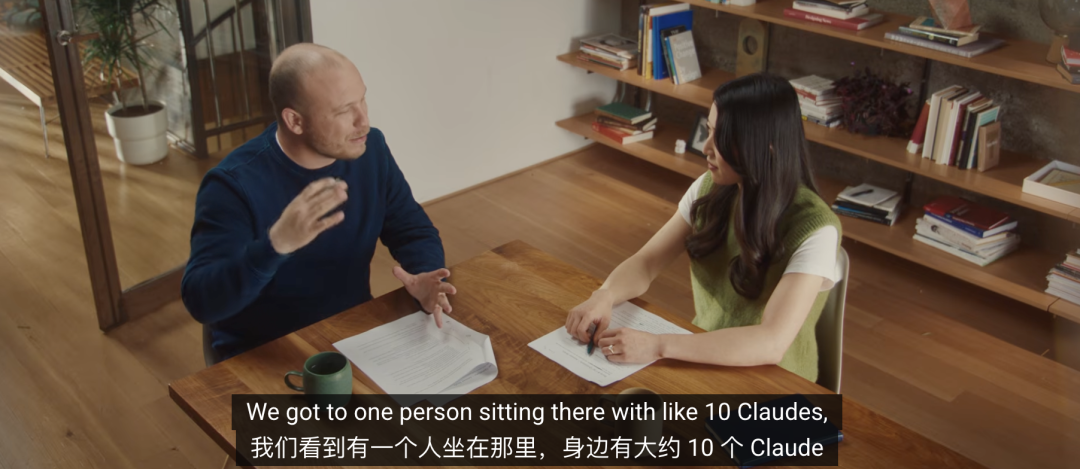
Then came a more parallel workflow. One developer could keep several Claude sessions running at once. One session might write a feature, another might fix a bug, and another might explore data. The engineer was no longer only typing. They were coordinating.
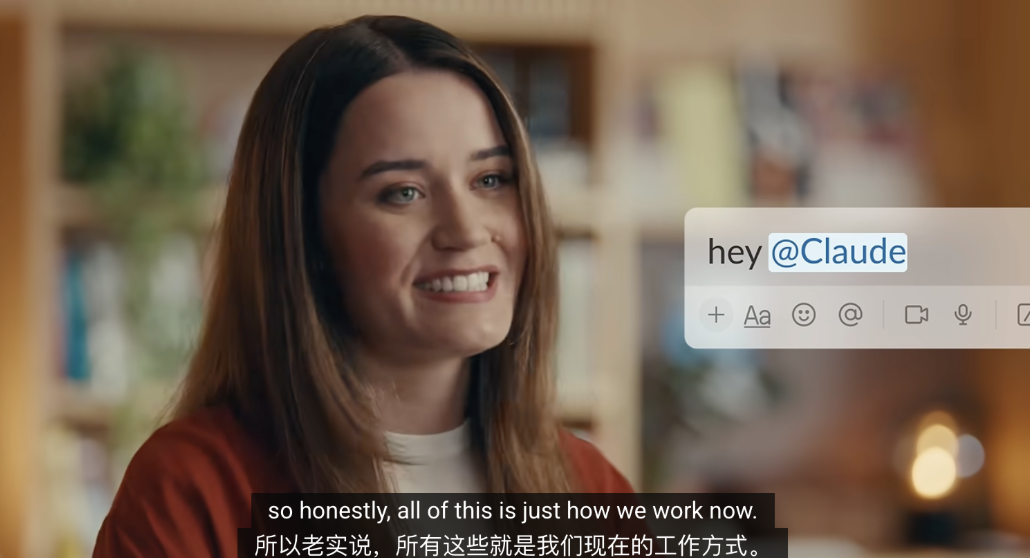
Now Claude Tag pushes that workflow into the team space. Claude can live inside Slack, read the shared context of a channel, and be tagged into a task like a teammate. The interaction becomes less like “ask a chatbot” and more like “delegate work to an agent that the whole team can see.”
According to Anthropic’s Claude Tag announcement, Claude Tag starts in Slack, where teams can give it access to selected channels, tools, data, and codebases. Once access is configured, people in the channel can tag @Claude and delegate work while they continue with other priorities.
That is the real difference. The model is no longer just a coding autocomplete layer. It becomes part of a collaborative workflow, with tasks, tools, context, and review.
One Person Can Have a Claude Squad
Anthropic describes Claude Tag as an evolution of Claude Code. Claude Code is still the tool for working directly with a codebase: reading files, editing code, running commands, fixing bugs, and creating changes. Claude Tag adds a team-facing entry point in Slack.
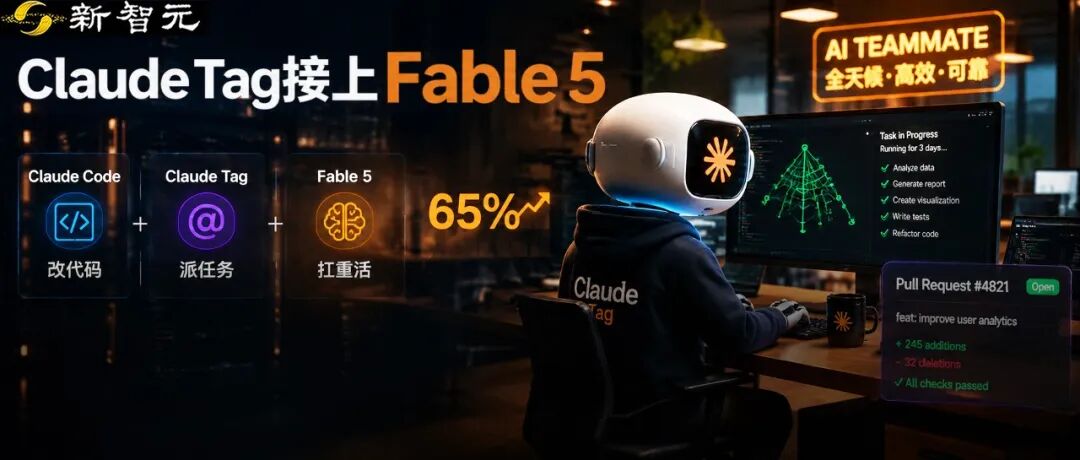
In practice, the three pieces work like this:
| Component | Main role | What it changes |
|---|---|---|
| Claude Code | Code execution and codebase work | Helps edit files, run commands, test changes, and create code modifications. |
| Claude Tag | Team task delegation in Slack | Lets a team tag Claude into a thread or channel and assign work from shared context. |
| Fable 5 | High-capability model layer | Supports more ambitious, long-running, multi-stage agent work. |
Claude Code is the hands. Claude Tag is the place where the team assigns and tracks the work. Fable 5 is the heavier engine underneath for larger tasks.
Anthropic’s own product material says Claude Tag can be used for tasks such as catching up on long threads, pulling numbers, turning a bug report into a draft PR, preparing for calls, and monitoring channels. These are not isolated prompts. They are workflows that depend on context and permissioned tool access.
For developers, that means one person may soon manage several AI workstreams at once. One Claude can investigate a bug. Another can draft a migration plan. Another can watch metrics or prepare a report. The human does not disappear, but their job moves up a layer.
Claude Code, Claude Tag, and Fable 5 Do Different Jobs
It is easy to mix these names together, but they are not the same thing.
Claude Code is an agentic coding tool. It is designed for developers who want Claude to understand a codebase, edit files, run terminal commands, integrate with development tools, and help ship working changes.
Claude Tag is the collaborative interface. It sits in Slack and lets the team assign work from a shared conversation. Instead of opening a separate chat window, a team member can mention Claude in the same thread where the bug report, product question, or data request already exists.
Fable 5 is the model layer built for harder long-horizon work. Anthropic’s Fable page describes it as a model for ambitious coding and professional work, including long-running agent sessions, large migrations, complex implementations, and multi-stage tasks.
In short:
- Claude Code handles the codebase.
- Claude Tag handles team delegation and shared visibility.
- Fable 5 increases the ceiling of what the agent can attempt.
Together, they turn AI coding from a single-user assistant into a team workflow system.
The Engine Is Fable 5
Claude Tag is the doorway, and Claude Code is the working environment. But the model determines how much complexity the agent can handle before it falls apart.
Fable 5 matters because it is aimed at long-running, multi-stage work. On Anthropic’s Fable page, the model is described as capable of working in an agent harness such as Claude Code or Claude Managed Agents for days at a time, including planning across stages, delegating to sub-agents, and checking its own work.
That is why the conversation is shifting from short code snippets to complete tasks. A stronger agent does not only answer one question. It can keep track of a larger objective, break it into stages, run through the work, and return with artifacts that a person can review.
The article’s key point is not that engineers should blindly hand over entire codebases. The more useful takeaway is this: the unit of work is growing. What used to be a prompt for a function can now become a request for a small, reviewable pull request.
Long-Horizon Agents Are a System Problem
Long-running agent work is not only about the model. It also depends on the surrounding system: memory, task handoff, tools, permissions, tests, logs, and review checkpoints.
The original article uses the example of a “shift handoff” problem. If an agent works in separate sessions, each new session can lose important project context. A model might try to finish too much in one pass and overload its context window, or it might mistake partial progress for completion.
The better approach is a staged workflow:
- An initialization agent sets up the environment.
- A task list and progress file are created.
- Each coding agent handles one bounded piece of work.
- Progress is committed and documented.
- The next agent continues from a clear handoff point.
- A human reviews the result before accepting it.
This is why agentic coding should be treated like engineering process design, not just prompt writing. The model is important, but the workflow around the model determines whether the result is safe and usable.
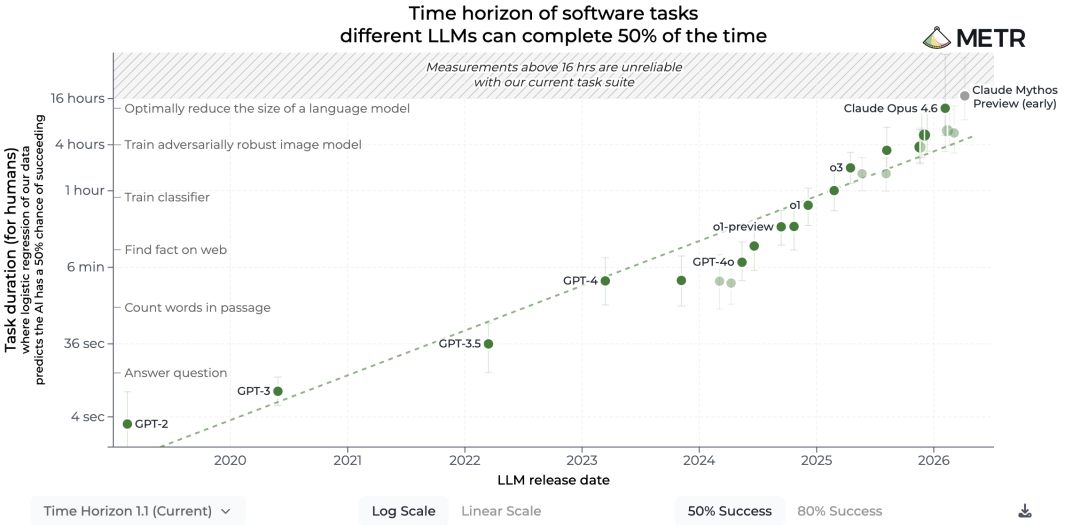
The METR long-task evaluation work is useful context here. METR has argued for measuring AI capability by the length of tasks models can complete, not only by static benchmark scores. Their research tracks how the 50% task-completion time horizon has increased over time. This supports the broader point: as agents can handle longer tasks, human review and task design become more important.
Pull Requests Are Becoming the New Delivery Unit
For ordinary developers and teams, the safest starting point is not “give the AI everything.” A better starting point is to give it low-risk, clearly bounded tasks that can be tested and reviewed.
Good candidates include:
- Small bug fixes with clear reproduction steps.
- UI adjustments with screenshots or visual acceptance criteria.
- Test additions for existing behavior.
- Documentation updates tied to a known feature.
- Data checks where the expected output format is clear.
- Refactors that are covered by tests and easy to roll back.
The line is not whether a team is brave enough to trust AI. The line is whether the team can define work at the right granularity.
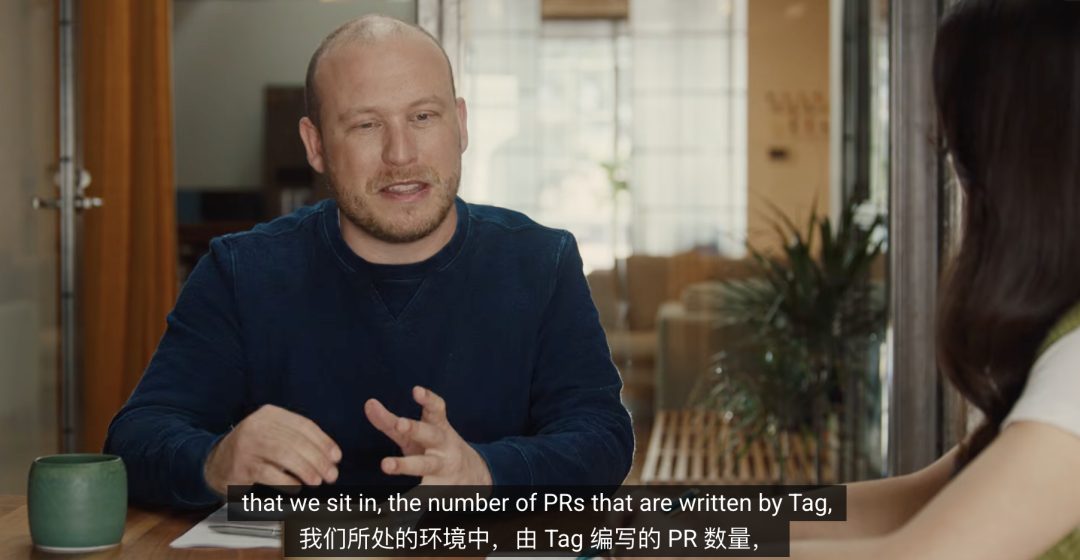
Anthropic’s Claude Tag announcement says 65% of its product team’s code is created by its internal version of Claude Tag. That does not mean 65% of pull requests are fully autonomous or that humans no longer review code. It means AI-generated code has become a major part of the development process inside that workflow.
The important idea is that the pull request becomes the practical unit of delegation. The human does not need to inspect every keystroke. Instead, the human reviews the PR, checks the tests, validates the requirement, and decides whether the change should be merged.

The New Threshold Is Not Prompting
When AI coding tools were mostly prompt-driven, the advantage went to people who knew how to ask better questions. Prompting still matters, but it is no longer the whole game.
When an AI can run multi-day tasks and open pull requests, the human advantage moves to acceptance design. Engineers and product teams need to specify what “done” means before the agent starts.
A practical AI task should include:
- A clear goal: what should be changed or produced.
- A narrow boundary: what files, systems, or behaviors should not be touched.
- Acceptance criteria: what must be true before the work is accepted.
- Test requirements: which tests should be added or run.
- Review checklist: what the human reviewer must verify.
- Rollback plan: how to undo the change if it causes problems.
This is the real new skill. Writing code is getting easier. Accepting code safely is getting harder.
What This Means for Engineers
The engineer’s role is not disappearing. It is being reorganized.
A future engineering workflow may look like this:
| Old workflow | New AI-agent workflow |
|---|---|
| Write the code yourself | Define the task and acceptance standard |
| Ask AI for a function | Ask AI for a reviewable PR |
| Manually switch between tools | Let the agent use approved tools |
| Review each generated line immediately | Review the final diff, tests, logs, and behavior |
| One task at a time | Multiple AI workstreams in parallel |
The strongest engineers will still need technical judgment. In fact, judgment becomes more important because the output volume increases. More AI-generated code means more review decisions, more risk control, and more need for strong engineering standards.
This is why “AI work reviewer” is not a lower-status role. It is closer to a technical lead role: deciding what work should be done, setting quality standards, and preventing bad changes from reaching production.
FAQ
What is Claude Tag?
Claude Tag is Anthropic’s Slack-based team AI agent. Teams can mention @Claude in a Slack channel or thread and assign tasks based on the shared context, provided administrators have configured access and permissions.
How is Claude Tag different from Claude Code?
Claude Code is focused on working with codebases through developer environments such as the terminal, IDE, browser, desktop, and Slack. Claude Tag is designed for team collaboration in Slack, where Claude can be assigned work from shared conversations and report progress in the thread.
What is Fable 5 used for?
Fable 5 is Anthropic’s high-capability model for ambitious coding, long-running agent work, and complex professional tasks. It is relevant here because stronger long-horizon models make it more practical for agents to complete multi-stage workflows.
Does Claude Tag write pull requests automatically?
Claude Tag can help turn a bug report or task into a draft PR when it has the right tool access, such as a connected repository. A human reviewer should still inspect the changes, verify tests, and decide whether to merge.
Is AI coding ready for production work?
AI coding can be useful in production workflows when tasks are bounded, tested, and reviewed. It is risky to hand over large, vague changes without acceptance criteria, test coverage, permission controls, and rollback planning.
What skills become more important as AI agents write more code?
Task definition, system design, testing, code review, security judgment, and product decision-making become more important. Engineers need to know how to set boundaries and verify whether AI-generated work is correct.
Should teams start by giving AI agents large migrations?
Most teams should begin with smaller, lower-risk tasks. Large migrations may be possible with advanced agent setups, but they require strong test coverage, staged handoffs, clear ownership, and careful human review.
Related Tools
- Claude Tag: A Slack-based Claude experience for assigning tasks in shared team channels.
- Claude Tag Documentation: Official documentation for setup, usage, security, and admin-governed access.
- Claude Code: Anthropic’s agentic coding tool for reading codebases, editing files, running commands, and helping ship changes.
- Claude Fable: Anthropic’s model page for Fable, including availability, use cases, safeguards, and benchmarks.
- Slack: The collaboration platform where Claude Tag is initially available.
- GitHub: A common repository and pull request workflow used in AI-assisted development.
- METR Time Horizons: A research resource tracking AI task-completion time horizons.
Related Links
- Original BAAI Hub Article: The Chinese source article that this English adaptation is based on.
- Introducing Claude Tag: Anthropic’s official announcement for Claude Tag.
- Work with Claude Tag: Official documentation explaining how Claude Tag works and how teams can use it.
- Claude Code Product Page: Official overview of Claude Code and its development workflow.
- Claude Fable Model Page: Official model information for Claude Fable 5.
- Redeploying Fable 5: Anthropic’s update on Fable 5 availability and safeguards.
- Measuring AI Ability to Complete Long Tasks: METR’s research post on measuring long-horizon AI task completion.
- Task-Completion Time Horizons of Frontier AI Models: METR’s updated page for frontier model time-horizon measurements.
Summary
Claude Tag and Fable 5 show a clear direction for AI software engineering. AI is no longer limited to completing a line of code or answering a short prompt. It is moving toward shared team workflows, long-running tasks, and PR-level delivery.
That does not remove engineers from the process. It changes where engineering skill matters most. The human role moves toward task framing, acceptance criteria, testing, review, and merge decisions.
The next important engineering skill is not simply writing better prompts. It is knowing how to define, verify, and safely accept AI-generated work.