东南亚用户更喜欢用本地语言和手机访问 AI:出海该做多语言站,还是分别做国家站?
东南亚市场语言、支付、监管和用户习惯差异明显。企业通常应先建设可扩展的多语言站,再根据本地业务深度决定是否拆分独立国家站。
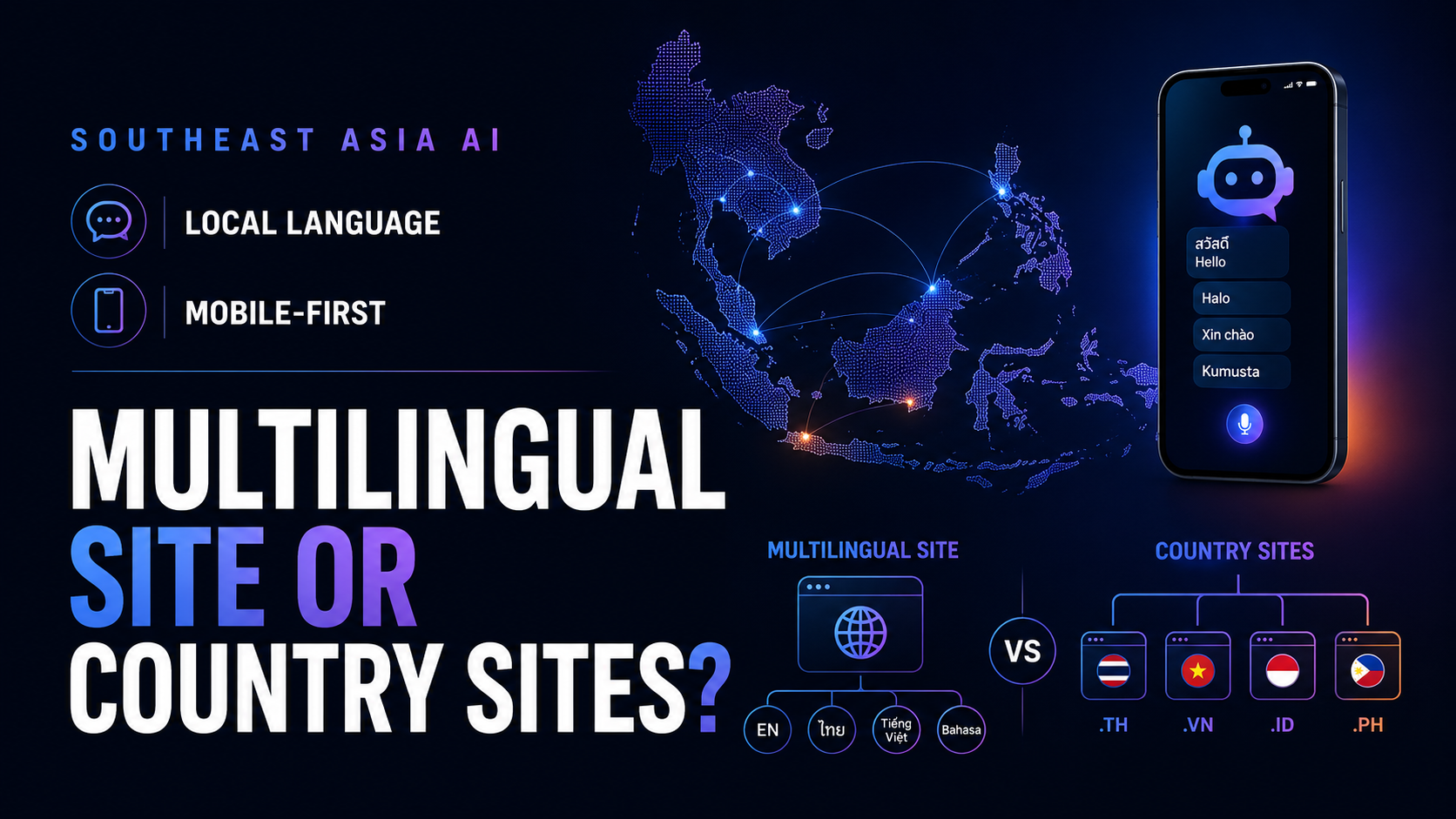
东南亚用户更喜欢用本地语言和手机访问 AI:出海该做多语言站,还是分别做国家站?
你以为自己在做「东南亚市场」,用户看到的却可能只是一个英文很完整、但跟自己没什么关系的海外网站。
这事现在尤其容易发生在 AI 产品上。
团队把产品能力、模型参数、融资背书都放进英文官网;再加一个语言切换器,就觉得国际化完成了。可真正从雅加达、胡志明市、曼谷打开网页的人,往往是在手机上,用不稳定的网络,带着很具体的问题来的:这个 AI 能不能帮我做事?多少钱?能不能用熟悉的方式联系你?
所以,今天不绕弯子,先给结论:
大多数刚进入东南亚的 AI 企业,不该一上来就为每个国家重做一套站。先做“可增长的区域多语言主站”,再把已经验证有需求、有内容差异、有转化差异的市场升级为国家站。
这不是折中。恰恰相反,这是把资源花在刀刃上。
先把一个误区掰开:东南亚不是一个市场,也不是一种语言
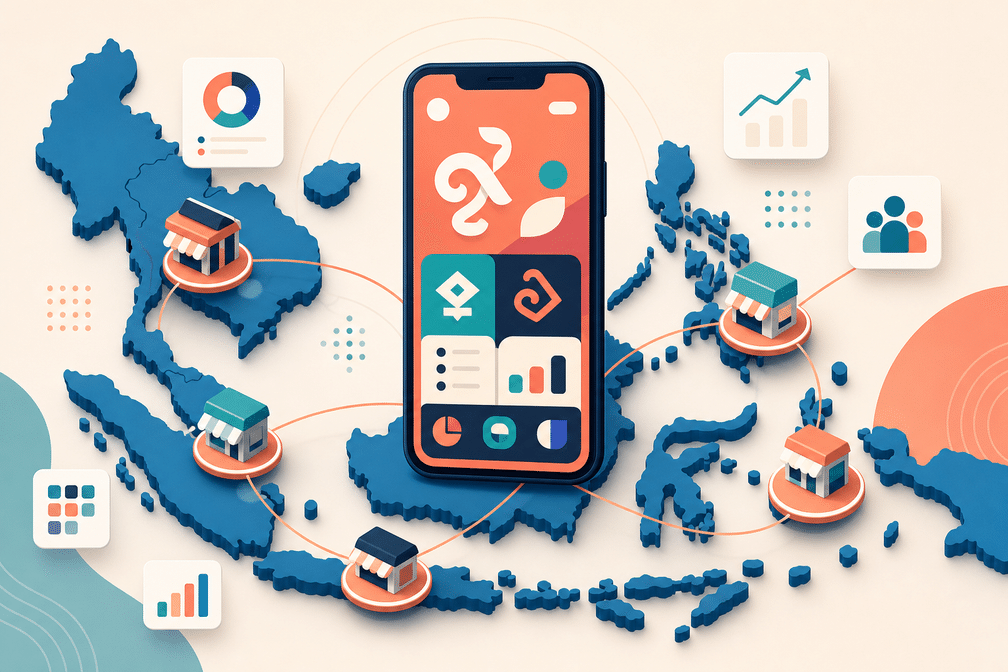
“做东南亚”这四个字,太容易让人偷懒。
印尼、越南、泰国、菲律宾、新加坡、马来西亚,语言、购买力、支付习惯、监管环境、渠道和信任来源都不同。英语能覆盖一部分人,不等于英语就是最好的转化语言。
而且,本地化也不是把英文首页丢进翻译工具。
| 层级 | 只翻译时常见做法 | 真正影响转化的本地化 |
|---|---|---|
| 语言 | 把按钮和段落翻过去 | 术语、例子、语气、CTA 都符合当地表达 |
| 内容 | 所有国家共用一套案例 | 放当地行业、角色和使用场景 |
| 交易 | 统一美元定价和邮箱联系 | 清楚的币种、试用、销售与联系路径 |
| 信任 | 全球客户 logo 墙 | 当地客户、伙伴、合规说明、可理解的支持方式 |
| 设备 | 桌面版缩小 | 手机上三秒看懂价值、一步完成动作 |
DataReportal 的《Digital 2025: Indonesia》显示,2025 年初印尼已有约 2.12 亿互联网用户。这个量级本身就提醒我们:东南亚的增长,不是把英文页投出去就会自然发生。你面对的是大量移动端、碎片化决策和高语境沟通场景。
至于“本地语言更重要”这句话,也不要理解成所有人都拒绝英文。更准确的表达是:当用户在比较价格、理解复杂功能、评估风险、准备提交线索时,熟悉的语言会显著降低理解成本。 对 AI 产品尤其如此——功能本来就抽象,英文又多一层门槛,用户很容易直接离开。
“多语言站”和“国家站”,真正差在哪?
很多团队把这个问题理解成 URL 怎么放:/id/、/th/,还是 id.example.com、th.example.com?
URL 重要,但那是后半段。
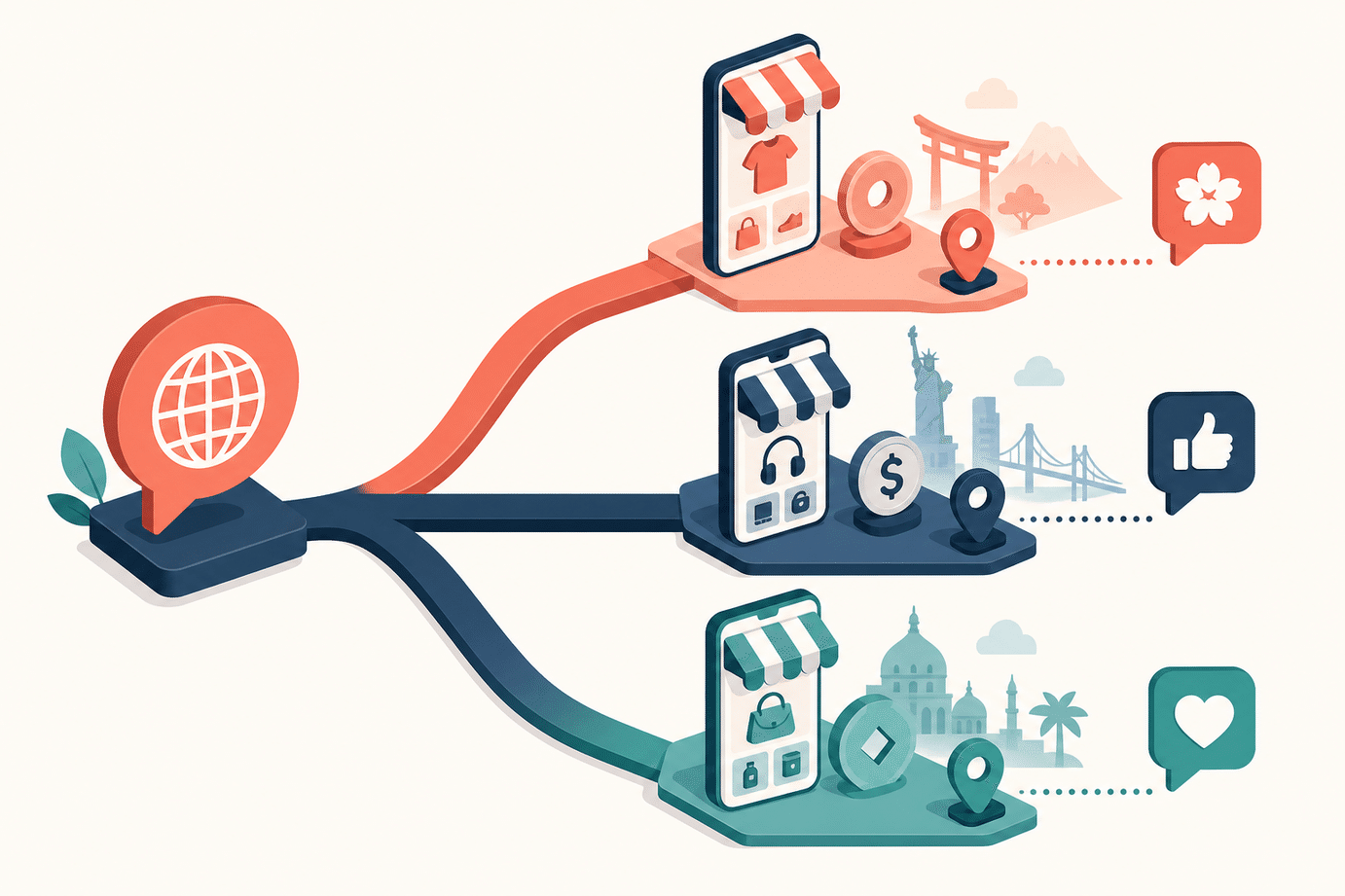
前半段要先想清楚:你是在服务不同语言的同一个需求,还是在服务不同国家的不同业务?
多语言站:一个增长中枢,多套语言入口
典型结构是:
example.com/
example.com/id/
example.com/th/
example.com/vi/
example.com/en-sg/
它适合这样的阶段:产品相同、定价大体一致、团队有限、各市场还在验证、内容资产还不够厚。
优点很实在:
- 品牌、技术、内容和数据集中,上线快,维护成本低;
- 可以先测试哪些语言页、关键词、落地页真正带来注册和询盘;
- SEO 权重和内容生产不至于被太早打散;
- 以后发现印尼起量,也能从
/id/平滑扩成更深的国家内容体系。
但它有一个边界:多语言不是“一个英文站复制五遍”。 如果每个语言目录里的案例、FAQ、定价、CTA、关键词都一模一样,只是翻译不同,那你只是在增加维护工作,并没有增加市场理解。
国家站:一个国家,一套更完整的经营单元
国家站不一定非要上独立域名。它可以是 /id/ 下足够完整的内容与转化体系,也可以是独立域名或子域名。关键不是外观,而是这个市场有了独立运营的必要:
- 有本地团队或渠道;
- 定价、货币、支付或合同明显不同;
- 有本地行业案例和高频问题;
- 搜索词、竞争对手、合规要求不同;
- 线索需要分配给不同销售流程;
- 市场已经被验证,值得持续投入内容和投放。
国家站的成本,不是多写几页文案,而是你承诺要持续经营这个国家。
如果没有人维护本地内容、处理本地询盘、看本地数据,一套“国家站”很快会变成信息过期的展示橱窗。看着很国际化,实际反而削弱信任。
先用这张表做判断,别凭感觉选架构
| 你的现状 | 建议 | 原因 |
|---|---|---|
| 刚开始验证 2–5 个东南亚市场 | 区域多语言主站 | 先用更低成本验证语言、渠道与需求 |
| 产品、价格、试用流程各国基本相同 | 区域多语言主站 | 差异还不足以支撑独立运营 |
| 印尼或泰国已有稳定自然流量、投放和销售跟进 | 该市场升级国家站 | 内容、转化和运营值得做深 |
| 同一种语言覆盖多个市场,但定价/行业不同 | 语言页 + 国家落地页 | 语言相同,不代表用户任务相同 |
| 每个国家都有本地团队与内容预算 | 国家站体系 | 组织能力足以承接持续经营 |
| 只是为了“看起来很全球化” | 先别拆 | 多站不会自动带来本地化和排名 |
语言决定你能不能被顺畅理解;国家决定你要不要为一个市场重做商业表达。
这句话,基本就是整个决策的分水岭。
一个更稳的做法:先做“区域主站 + 可拆分的国家层”
如果你还在早期,推荐的不是二选一,而是搭一个可进化的骨架:
example.com/                 # 全球 / 英文主入口
example.com/id/              # 印尼语核心产品与内容
example.com/th/              # 泰语核心产品与内容
example.com/vi/              # 越南语核心产品与内容
example.com/solutions/       # 共用行业解决方案
example.com/id/solutions/    # 印尼市场验证后再加深
example.com/th/pricing/      # 泰国价格与购买路径不同后再独立
先把共享的产品事实放在中枢:产品能力、品牌资产、技术文档、全球案例、通用内容规范。
再把必须本地化的转化层做成可单独演进的模块:
- 首页首屏的价值主张;
- 行业和角色案例;
- 定价、币种和付款说明;
- FAQ、合规和数据处理说明;
- 联系、Demo、WhatsApp、LINE 等动作入口;
- 本地搜索词对应的内容页。
什么时候该把某个语言目录“升级”为国家站?看四个信号
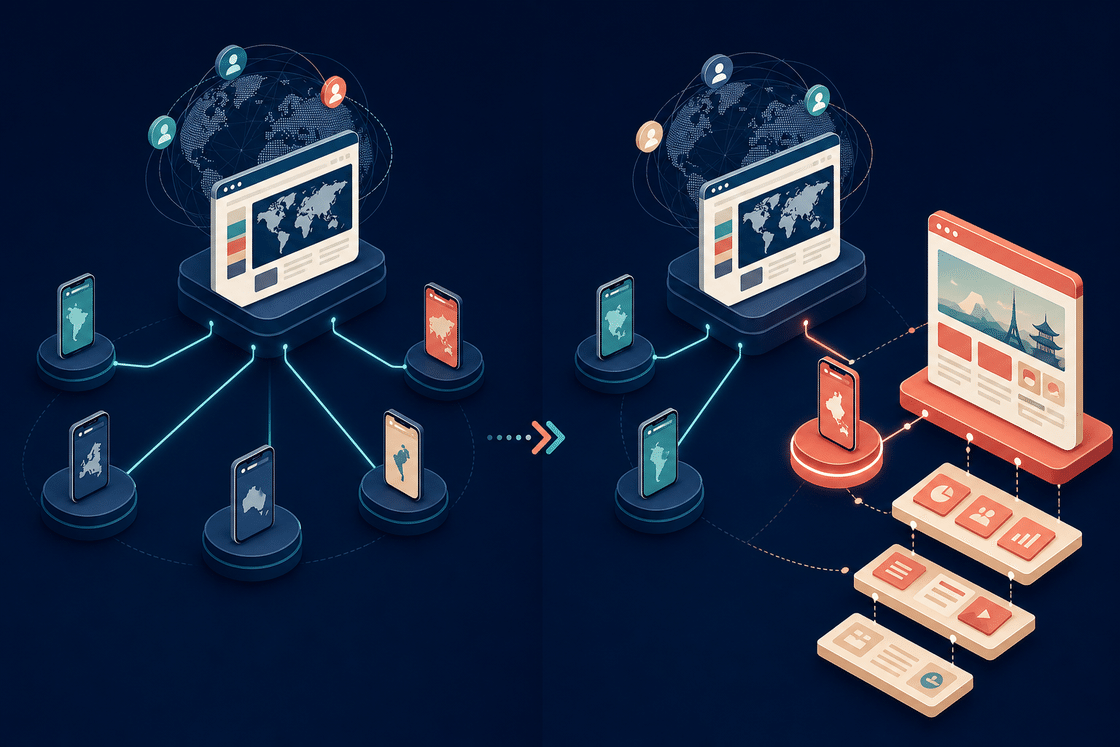
别因为某个国家访问量高就急着拆。流量高,可能只是内容被看到了;国家站是为更深的经营和更高的转化准备的。
满足下列四项中的两到三项,就值得立项:
- 需求信号:该市场持续贡献注册、Demo 或高质量询盘,而不只是页面浏览;
- 内容信号:通用页面已无法覆盖当地用户的问题,开始需要行业页、案例页、对比页;
- 商业信号:价格、套餐、支付、合同、合作伙伴或销售流程需要本地化;
- 组织信号:有人能长期维护内容、线索响应和数据复盘。
能拿到流量,不等于该拆站;能把流量转成可持续线索,才是拆站的理由。
移动优先,别只理解成“网页在手机上能打开”
东南亚用户大量通过手机接触产品。这对 AI 企业的影响,比把按钮改大一点深得多。
移动端页面要回答的不是“响应式有没有做”,而是:用户在一只手、短时间、有限网络下,能否立刻理解并完成下一步?
给 AI 产品的移动端落地页,建议优先检查这 7 件事:
- 首屏一句话说人话。 少讲“领先的多模态智能平台”,多说“帮销售团队把客户咨询自动整理成可跟进线索”。
- 首屏只保留一个主动作。 注册、预约 Demo、试用,不要三个按钮互相打架。
- 表单短一点。 能不问公司规模就别先问;能用邮箱继续就别先要一堆信息。
- 速度是信任的一部分。 大视频、重动画、第三方脚本,都会在移动网络下把兴趣磨掉。
- 本地沟通入口要自然。 如果销售流程确实依赖 WhatsApp、LINE 或 Zalo,就把它放在用户准备咨询的位置,而不是塞满整个页面。
- 价格和试用别藏。 AI 产品的理解成本已经够高,购买路径越绕,用户越容易回到搜索结果。
- 不要强制自动跳转语言。 提示用户切换可以,替用户做决定不行。Google 也建议使用不同 URL 承载语言版本,并通过
hreflang等信号帮助搜索引擎理解对应关系。

国际 SEO:别让翻译页互相抢排名
一个常见的惨案是:英文、印尼语、泰语页面内容高度雷同;没有语言标注;页面又被自动跳转。最后 Google 不知道该给谁排名,用户也经常落在不对的版本。
最基础的国际 SEO,至少要做这几件事:
- 每种语言或地区版本使用稳定、可索引的独立 URL;
- 用
hreflang标注语言/地区对应关系,例如id-ID、th-TH、vi-VN,并提供默认的x-default页面; - 每个版本都做自引用和互相引用,避免标签不完整;
- 不只翻译正文,连 title、description、图片 alt、FAQ、结构化数据都本地化;
- 不要把国家名硬塞进每一页。先围绕当地真实搜索意图建词库;
- 用 Search Console 按目录观察曝光、点击、查询词与落地页,再决定哪里值得加码。
Google Search Central 对多地区、多语言网站的核心建议很明确:如果用不同 URL 提供不同语言内容,应使用 hreflang 帮助 Google 将搜索结果导向合适的语言版本。
这也是为什么,先做一套结构清晰、语言可扩展的主站,通常比仓促复制五个独立站更有 SEO 效率。
We0.ai 能帮的,不是“批量翻五个首页”
出海建站最危险的状态,是首页上线那一刻就停止了。
真正麻烦的是后面:哪个国家在搜什么?哪个语言页带来询盘?哪种案例最能解释 AI 产品?移动端哪里掉得最多?哪些内容该补,哪些页面该改?
这正是 We0.ai 更适合介入的地方。
We0.ai 不只是帮你生成一个页面。 它更像把展示型网站做成增长资产的组合:从品牌与页面结构梳理,到多语言展示;从 SEO/GEO 基础配置,到内容生产、数据监控、页面优化和增长复盘。
也就是说,你可以先搭一个不容易返工的区域多语言站,再根据真实数据,把印尼、泰国或越南的内容、案例、转化路径逐步做深。路径不是“建完就算”,而是:
Build → Showcase → Grow → Leads

最后给你一个 30 天执行版本
如果你现在正准备进东南亚,不用先开五个站点项目。可以这么干:
第 1 周:选市场,不选“东南亚”。 根据已有客户、自然流量、渠道伙伴、销售语言,挑 2–3 个优先国家。
第 2 周:搭主站与语言层。 做好英文主入口和优先语言目录;先完成首页、产品页、核心场景页、定价/试用页、FAQ 和联系页。
第 3 周:补本地转化层。 为每个优先市场至少准备一个角色/行业落地页、一个案例或使用场景页,以及适合移动端的咨询入口。
第 4 周:用数据决定“加深”还是“暂停”。 看搜索词、移动端参与、试用、Demo、询盘质量,而不是只看 PV。给最有信号的国家增加本地内容和转化模块。
别把“多语言”当作翻译任务。它本质上是增长策略。也别把“国家站”当作域名任务。它本质上是经营承诺。
FAQ
AI 企业进入东南亚,应该先做英文站吗?
可以保留英文作为品牌与全球信息中枢,但不建议只靠英文站承接所有市场。优先选择已有线索、流量或渠道基础的国家,为其提供本地语言的核心产品页和转化页。
多语言站会不会影响 SEO?
结构清晰时不会。为每种语言建立独立 URL,正确配置 hreflang、canonical、站点地图,并提供有差异的本地内容,反而有助于搜索引擎理解页面服务的受众。
印尼、马来西亚能共用一个语言版本吗?
不能只因为部分用户能读同一种语言就完全共用。需要看搜索词、价格、行业案例、支付与销售动作是否一致。共享基础内容可以,但高意图落地页往往应按国家拆分。
什么时候应该做独立国家域名?
当本地品牌、合规、团队、内容与销售体系都已相对独立时,独立域名才有意义。早期大多数团队用同一主域下的国家/语言目录,更容易集中权重与维护资源。
做移动端优先,最先改哪里?
先改首屏价值主张、CTA 数量、表单长度、加载性能和本地联系入口。别先花大量时间做炫酷动效。
Related Tools
Sources
- DataReportal — Digital 2025: Indonesia
- Google Search Central — Managing Multi-Regional and Multilingual Sites
- GSMA — The Mobile Economy Asia Pacific 2025
Ready to Build?
如果你已经确定要进东南亚,下一步不是急着买一堆国家域名。
先把你的产品、目标市场、优先语言和转化路径梳理成一套能上线、能测试、能持续增长的网站结构。We0.ai 可以帮你从多语言展示站起步,再用 SEO、内容、数据和页面优化,把有信号的市场做成真正的获客阵地。
Conclusion
多语言站还是国家站?
答案不是二选一,而是一个顺序问题:先建立可扩展的区域多语言主站,再让被验证的国家获得独立的内容、转化和运营深度。
用户用本地语言、在手机上访问 AI,不是在要求你把网站翻译得更多。他们是在要求你更快、更清楚、更像一个懂当地业务的人。
而这,才是出海网站真正的起点。
Southeast Asia Is Mobile-First and Local-Language-First: One Multilingual Site or Separate Country Sites?
You may think you are building for “Southeast Asia.” But to someone opening your site in Jakarta, Ho Chi Minh City, or Bangkok, it can still look like a polished English website made for somebody else.
This is especially common with AI products.
Teams put model specs, feature lists, and funding logos on an English homepage. They add a language switcher. International expansion: done.
Except the person who lands there is usually on a phone, often on a less-than-perfect connection, with a very practical question: Can this AI help me? What does it cost? And can I talk to you in a way that feels familiar?
So here is the short answer:
For most AI companies entering Southeast Asia, do not rebuild the whole site for every country on day one. Start with an expandable regional multilingual site, then turn proven, high-value markets into deeper country sites.
That is not a compromise. It is how you avoid spending country-site money before you have country-site evidence.
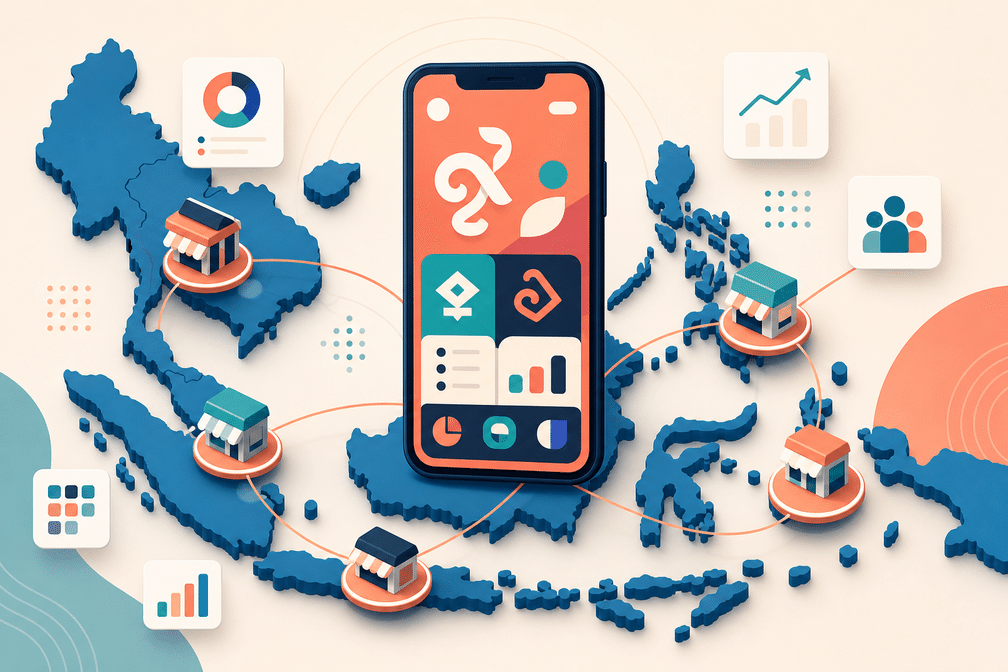
First, break one lazy assumption: Southeast Asia is not one market, or one language
“Going into Southeast Asia” is a phrase that makes teams careless.
Indonesia, Vietnam, Thailand, the Philippines, Singapore, and Malaysia differ in language, purchasing power, payment habits, regulations, acquisition channels, and what makes buyers trust a new vendor. English may be understood by part of the audience. That does not make it the best language for conversion.
And localization is not feeding an English homepage through a translation engine.
| Layer | What translation-only teams do | What actually changes conversion |
|---|---|---|
| Language | Translate buttons and body copy | Localize terminology, examples, tone, and CTAs |
| Content | Reuse one case study everywhere | Show local industries, roles, and use cases |
| Purchase path | Use USD and email for everyone | Clarify currency, trials, sales flow, and contact options |
| Trust | Show a global logo wall | Add relevant proof, partners, compliance, and support cues |
| Device | Shrink the desktop page | Make the value and next action obvious on a phone |
DataReportal’s Digital 2025: Indonesia reported roughly 212 million internet users in Indonesia at the start of 2025. The point is not just scale. It is that regional growth does not happen because an English page is technically accessible. It happens when the page fits a mobile, fast-decision, high-context buying moment.
The local-language point needs nuance too. It is not that every user refuses English. A better way to say it is this: when people compare prices, try to understand a complex feature, assess risk, or prepare to contact sales, familiar language reduces friction. For AI products, that matters even more. The product can already feel abstract; English adds another layer of effort.
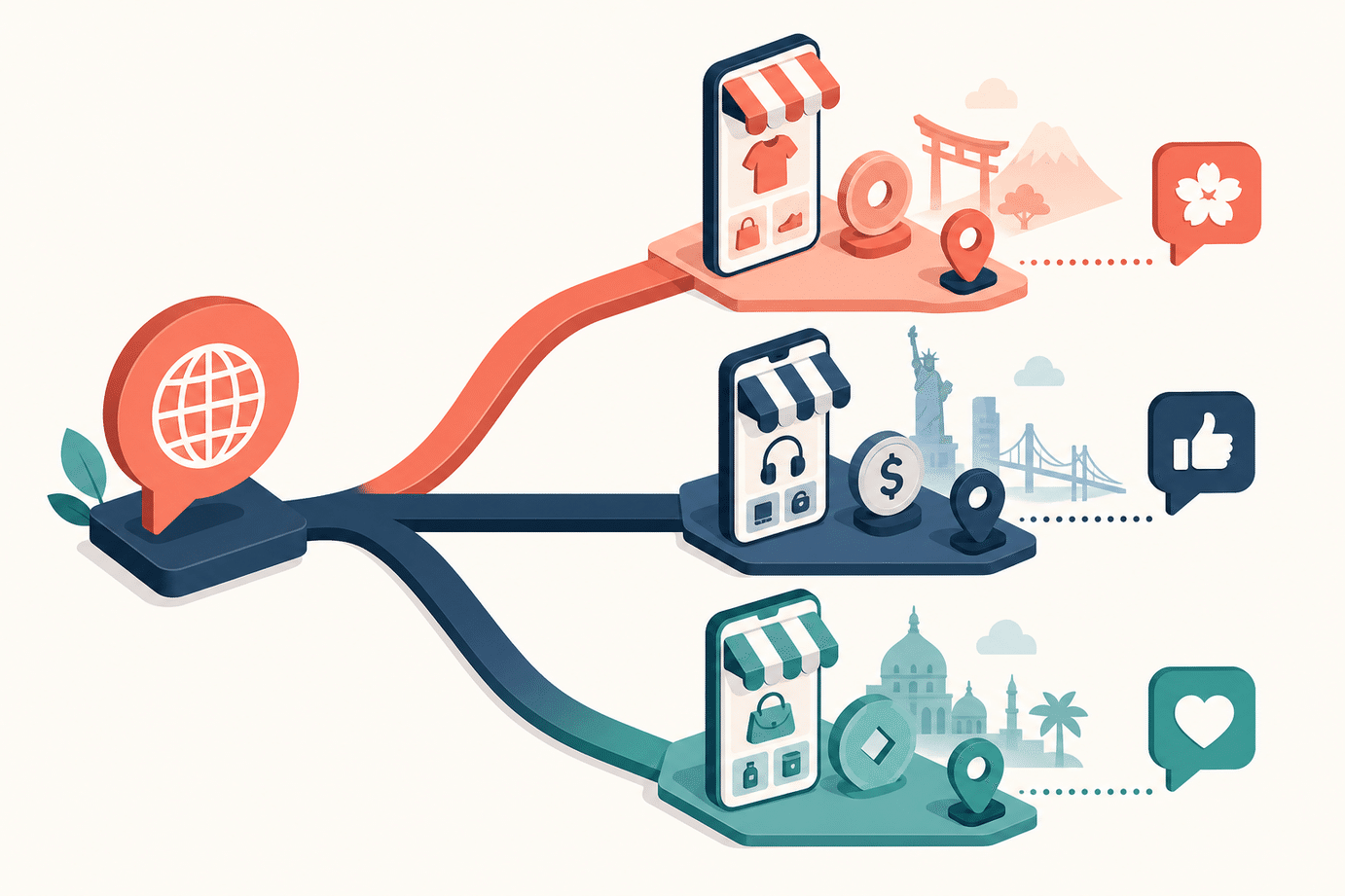
What is the real difference between a multilingual site and a country site?
Many teams turn this into a URL debate: /id/ and /th/, or id.example.com and th.example.com?
URLs matter. But they come later.
The earlier question is: Are you serving the same demand in different languages, or are you operating a different business proposition in each country?
A multilingual site: one growth hub, several language entrances
A typical structure looks like this:
example.com/
example.com/id/
example.com/th/
example.com/vi/
example.com/en-sg/
It is a good fit when the product is the same, pricing is broadly similar, the team is lean, markets are still being validated, and content depth is limited.
The advantages are very practical:
- Brand, technology, content, and data stay together, so you ship faster and maintain less.
- You can test which language pages, keywords, and landing pages actually produce sign-ups and leads.
- SEO authority and editorial effort are not fragmented too early.
- If Indonesia starts to work,
/id/can grow into a deeper country content system without a painful restart.
But there is a boundary: multilingual does not mean cloning an English site five times. If every language folder has identical case studies, FAQs, pricing, CTAs, and keywords—just translated—you have created maintenance work, not market understanding.
A country site: a fuller operating unit for one market
A country site does not have to mean a separate domain. It can be a substantially localized system under /id/, or it can become a subdomain or local domain later. The key is not its address. The key is whether the market needs its own operating depth:
- A local team or channel partner exists;
- Pricing, currency, payments, or contracts differ;
- Local industry examples and recurring questions are emerging;
- Search terms, competitors, or compliance requirements differ;
- Leads need a distinct sales workflow;
- The market has been validated and deserves ongoing content and media investment.
The cost of a country site is not a few extra pages. It is a promise to keep operating that country.
Without someone to maintain local content, respond to local leads, and review local data, a “country site” quickly becomes an outdated showroom. It looks international. It feels less trustworthy.
Use this table before you choose an architecture
| Your situation | Best move | Why |
|---|---|---|
| You are validating 2–5 Southeast Asian markets | Regional multilingual site | Test language, channel, and demand with lower overhead |
| Product, price, and trial flow are largely the same | Regional multilingual site | Differences do not yet justify separate operations |
| Indonesia or Thailand already produces steady organic traffic, paid results, and sales follow-up | Upgrade that market into a country site | It is worth deepening content, conversion, and operations |
| One language spans several markets, but pricing or industries differ | Language pages + country landing pages | Shared language does not mean the same buyer job |
| Every country has a local team and an editorial budget | Country-site system | The organization can sustain local operations |
| You only want to “look global” | Do not split yet | More sites do not automatically create localization or rankings |
Language decides whether people can understand you smoothly. Country decides whether you need to rebuild the commercial story for that market.
That is the dividing line.
A safer approach: a regional hub with country layers you can split out later
If you are early, do not force a binary choice. Build an architecture that can evolve:
example.com/                 # Global / English entry point
example.com/id/              # Indonesian core product and content
example.com/th/              # Thai core product and content
example.com/vi/              # Vietnamese core product and content
example.com/solutions/       # Shared industry solutions
example.com/id/solutions/    # Go deeper after Indonesia is validated
example.com/th/pricing/      # Separate when Thai pricing and buying flow diverge
Keep shared product facts in the hub: product capabilities, brand assets, technical docs, global proof, and common editorial standards.
Then make the conversion layers that must be local modular and independently expandable:
- The homepage value proposition;
- Industry and role-specific proof;
- Pricing, currency, and payment explanations;
- FAQs, compliance, and data-processing information;
- Demo, contact, WhatsApp, LINE, or other relevant action paths;
- Content pages mapped to local search intent.
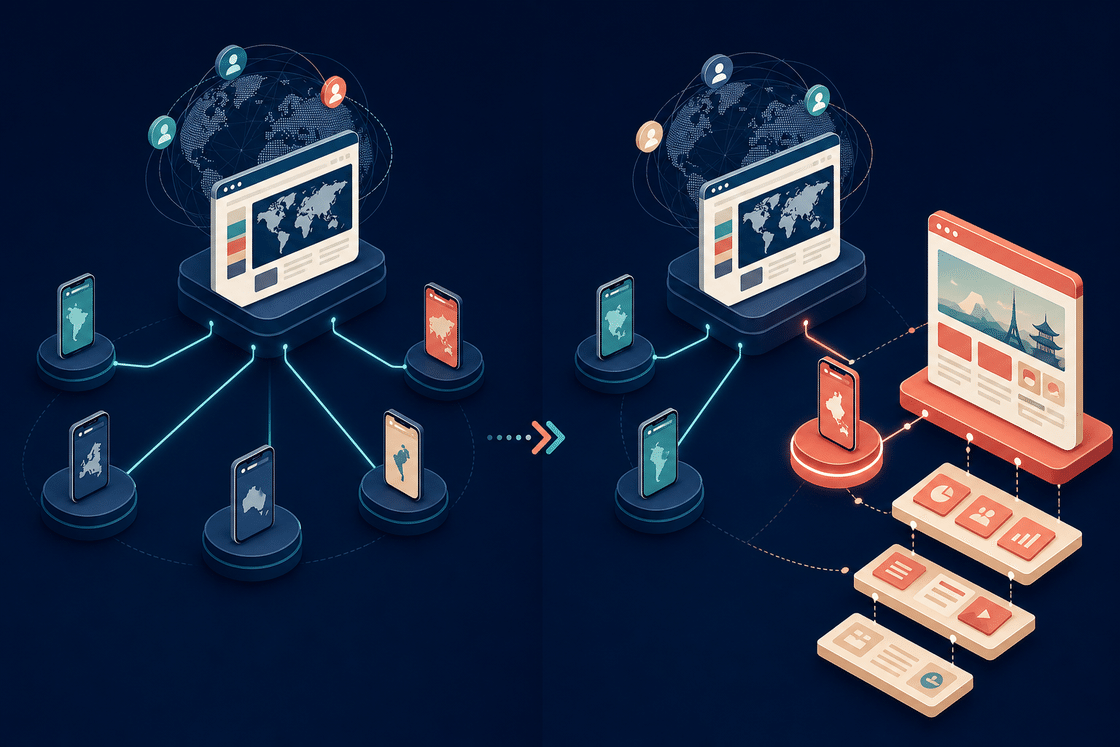
When should a language folder become a deeper country site? Watch four signals
Do not split simply because a country has high traffic. Traffic may only mean that a page was seen. A country site is for deeper operations and stronger conversion.
If two or three of these signals are true, it is time to plan the upgrade:
- Demand signal: the market consistently produces sign-ups, demo requests, or qualified leads—not just page views;
- Content signal: general pages no longer answer local questions; you need industry pages, case studies, and comparison pages;
- Commercial signal: prices, plans, payments, contracts, partners, or sales flows need local treatment;
- Operating signal: someone can continuously own content, lead response, and data reviews.
Being able to attract traffic is not a reason to split. Being able to turn that traffic into repeatable leads is.
Mobile-first does not mean “the page opens on a phone”
A large share of Southeast Asian users discover products on mobile. For AI companies, that changes more than button size.
A mobile page should not merely answer “Is it responsive?” It should answer: Can someone understand the value and take the next step quickly, one-handed, on a limited connection?
For an AI product landing page, check these seven things first:
- Say it in human language above the fold. Instead of “an advanced multimodal intelligence platform,” say “turn customer inquiries into organized, follow-up-ready leads.”
- Keep one primary action. Sign up, book a demo, or start a trial. Do not make three CTAs fight each other.
- Shorten forms. If you do not need company size to start a conversation, do not ask for it first.
- Treat speed as a trust signal. Heavy video, oversized animation, and third-party scripts can drain intent on mobile networks.
- Use local contact paths naturally. If your sales motion genuinely depends on WhatsApp, LINE, or Zalo, place it where a user is ready to ask—not everywhere on the page.
- Do not hide pricing or trials. AI products already take effort to understand. A confusing purchase path sends people back to search.
- Do not force automatic language redirects. You can suggest a relevant version, but do not decide for the visitor. Google also recommends separate URLs for language versions and
hreflangsignals to clarify their relationship.

International SEO: do not let translated pages compete with each other
Here is a familiar mess: English, Indonesian, and Thai pages are nearly identical; language annotations are missing; users are automatically redirected. Google is unsure which version to rank, and visitors keep landing on the wrong one.
At a minimum, international SEO should include:
- Stable, indexable URLs for every language or regional version;
hreflangannotations for language/region pairs such asid-ID,th-TH, andvi-VN, plus anx-defaultpage;- Self-referencing and reciprocal annotations, not partial tags;
- Localization of titles, descriptions, image alt text, FAQs, and structured data—not body copy only;
- Keyword research based on real local intent, not country names stuffed into every page;
- Search Console reporting by folder, so you can compare impressions, clicks, queries, landing pages, and conversions before investing further.
Google Search Central is clear on the central point: when you use different URLs for different languages, use hreflang to help Google connect searchers with the right language version.
That is why a clean, extensible multilingual hub is usually more SEO-efficient than rushing to clone five separate sites.
What We0.ai helps you do is not “translate five homepages at scale”
The riskiest moment in international website work is the moment after launch—when nothing happens next.
The real questions come later: What is each market searching for? Which language page generates leads? What proof makes the AI product understandable? Where does mobile traffic drop off? What content should be added? Which page needs to change?
That is where We0.ai fits.
We0.ai is not just a tool for generating a page. It combines AI website building with the work needed to turn a showcase website into a growth asset: brand and page-structure planning, multilingual presentation, SEO/GEO foundations, content production, data monitoring, page iteration, and growth reviews.
In practical terms, you can build a regional multilingual site that will not need to be thrown away later. Then, using real data, deepen Indonesian, Thai, or Vietnamese content, proof, and conversion paths where the signal is strongest. The path is not “build and stop.” It is:
Build → Showcase → Grow → Leads

A 30-day version you can actually execute
If you are preparing to enter Southeast Asia, do not begin with five country-site projects. Do this instead:
Week 1: choose markets, not “Southeast Asia.” Use existing customers, organic traffic, channel partners, and sales language to select two or three priority countries.
Week 2: build the hub and language layer. Launch the English entry point plus priority language folders. Start with the homepage, product page, core use-case page, pricing/trial page, FAQ, and contact page.
Week 3: add the local conversion layer. For each priority market, create at least one role- or industry-specific landing page, one local proof/use-case page, and a mobile-friendly contact path.
Week 4: use data to decide whether to deepen or pause. Look at queries, mobile engagement, trials, demos, and lead quality—not pageviews alone. Add local content and conversion modules to the country with the clearest signal.
Do not treat multilingual as a translation task. It is a growth strategy. And do not treat a country site as a domain task. It is an operating commitment.
FAQ
Should an AI company entering Southeast Asia start with an English site?
Keep English as the global brand and information hub, but do not expect an English-only site to carry every market. Start localizing core product and conversion pages for countries where you already have leads, traffic, or channel evidence.
Will a multilingual site hurt SEO?
Not if it is structured clearly. Give every language its own URL, implement hreflang, canonical tags, and sitemaps correctly, and publish genuinely useful localized content. That helps search engines understand who each page is for.
Can Indonesia and Malaysia share one language version?
Do not fully share a version simply because some users understand the same language. Check search intent, price, industry proof, payment methods, and sales actions. Foundational content can be shared; high-intent landing pages often need country-specific treatment.
When should we use separate country domains?
A local domain makes more sense when brand operations, compliance, team ownership, content, and sales systems are already fairly independent. Early-stage teams usually benefit more from country/language folders under one primary domain.
What should we fix first for mobile-first conversion?
Start with the above-the-fold message, CTA count, form length, load performance, and local contact options. Do not begin with decorative animation.
Related Tools
- We0.ai — Build showcase websites that can keep growing
- Google Search Central — Managing Multi-Regional and Multilingual Sites
- Google Search Central — Localized Versions of Your Pages
Sources
- DataReportal — Digital 2025: Indonesia
- Google Search Central — Managing Multi-Regional and Multilingual Sites
- GSMA — The Mobile Economy Asia Pacific 2025
Ready to Build?
If Southeast Asia is your next market, do not start by buying a pile of country domains.
Start by turning your product, priority markets, languages, and conversion paths into a website architecture that can launch, learn, and keep growing. We0.ai can help you begin with a multilingual showcase site, then use SEO, content, data, and page optimization to turn the markets with real signal into genuine lead-generation engines.
Conclusion
Multilingual site or country site?
It is not really an either-or question. It is an order-of-operations question: build an expandable regional multilingual hub first, then give validated countries their own depth in content, conversion, and operations.
When users access AI in local languages and on mobile, they are not merely asking for more translated pages. They are asking you to be faster, clearer, and closer to how business is actually done there.
That is where an international website really begins.