What Is Hermes Agent? Self-Improving AI Agent Guide
Hermes Agent is an open-source AI agent from Nous Research built around persistent memory, reusable skills, and reflection. This guide explains how it works, what it costs, where it fits, and how it compares with OpenClaw.
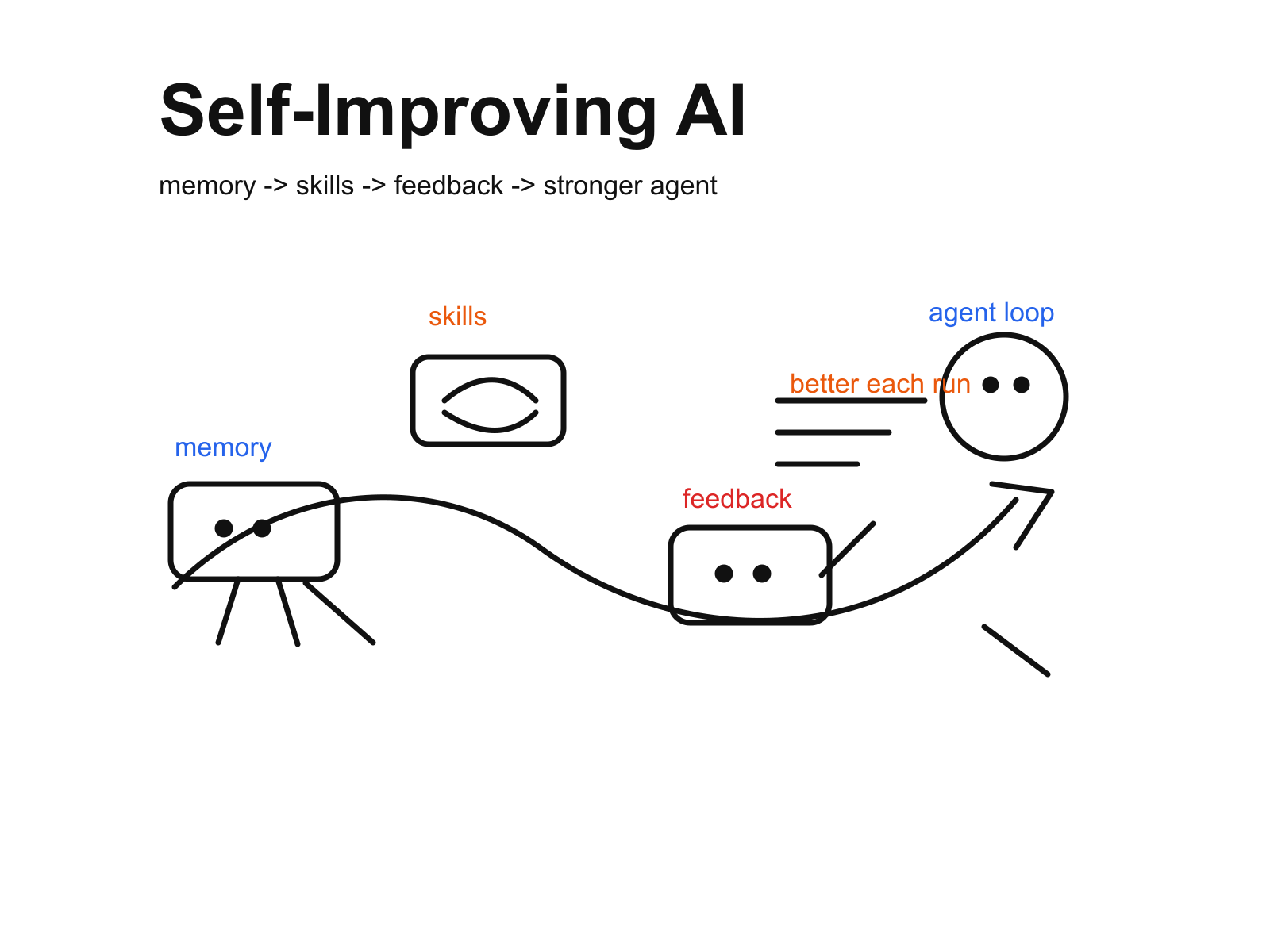
Hermes Agent is one of the most interesting open-source AI agent frameworks to watch in 2026. Its appeal is not just platform connectivity. The real story is that Hermes is designed to improve over time through persistent memory, reusable skills, reflection, and structured feedback loops.
If you are comparing Hermes with OpenClaw, generic automation bots, or traditional chat assistants, this guide covers the practical questions: what Hermes is, how it works, what makes it different, what it costs to run, where it fits best, and where expectations should stay grounded.
What Hermes Agent Is
Hermes Agent is an open-source AI agent framework from Nous Research, released under the MIT license. It supports multiple interaction surfaces, including CLI, Telegram, Discord, Slack, WhatsApp, and Matrix.
The framework is built around three ideas:
persistent memory instead of session-only context
reusable skills instead of one-off task completion
reflection and optimization instead of stopping after a single tool call
In practice, Hermes is trying to become a long-term assistant that accumulates usable experience.
Why Hermes Stands Out
Many agent frameworks compete on integrations, workflow routing, or setup simplicity. Hermes is different because it treats learning loops as a product feature.
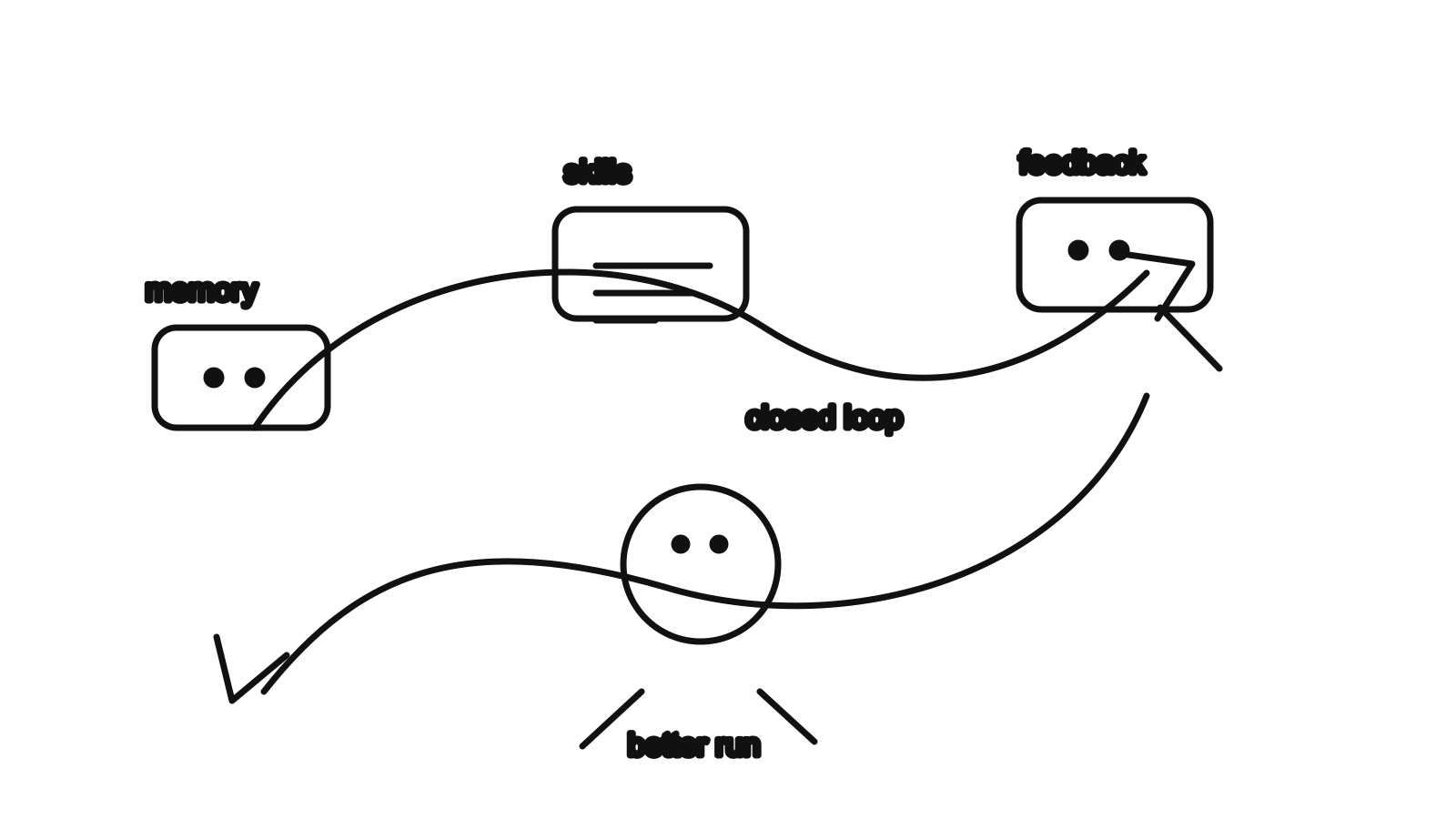
Its value proposition is straightforward:
complete a task with model and tool calls
reflect on what worked or failed
save durable patterns into skills or memory
reuse those patterns in similar future tasks
That makes Hermes especially interesting for recurring, cumulative, context-heavy work instead of one-time prompts.
Core Features
1. Persistent Memory
Hermes keeps more than the current conversation window. Official docs and community coverage describe a layered memory system that can preserve session context, longer-term preferences, and more structured user understanding.
That matters because:
users do not need to restate preferences every time
scheduled tasks can inherit previous context
the agent can gradually align to how a person actually works
For long-term use, this is a meaningful upgrade over agents that reset after every session.
2. Skill System
Hermes can turn repeated successful patterns into reusable skill documents. A skill is effectively structured operational knowledge for future tasks.
That gives two practical advantages:
less repeated trial and error on recurring work
more durable execution quality over time
If your workflow often looks like “same task, new input,” Hermes has a stronger story than plain prompt templates.
3. Reflection and Optimization
The self-improvement narrative comes mainly from reflection, not magic. After a task, Hermes can analyze the process, identify improvements, and incorporate stable conclusions into later runs.
This usually shows up as:
better tool sequencing
more task-specific prompting
stronger alignment with user preferences
reduced repetition of known failure modes
So the improvement is real, but it is closer to structured review plus memory retrieval than spontaneous intelligence growth.
4. Multi-Platform Access
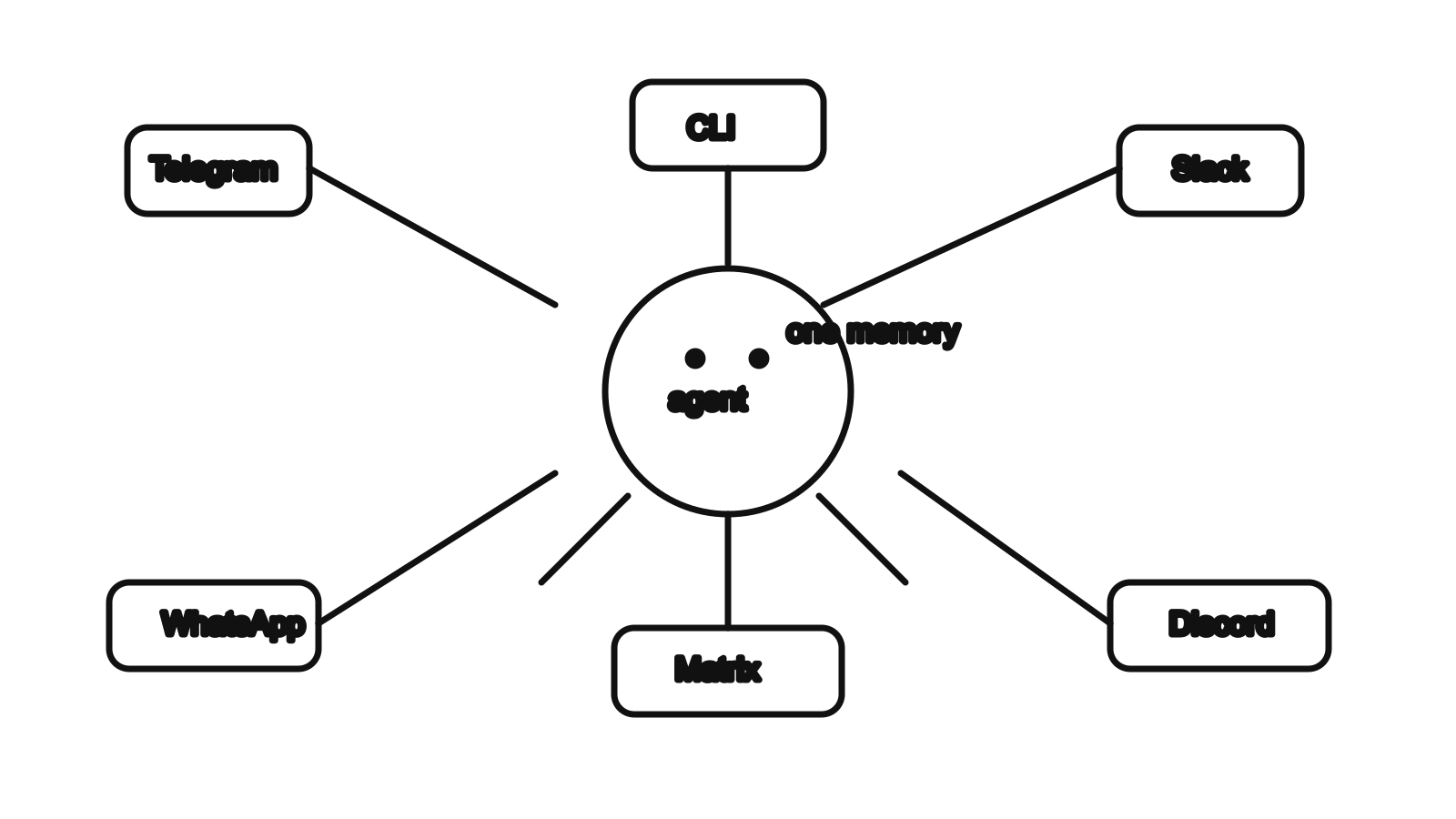
Hermes uses a unified gateway to reach multiple surfaces such as CLI, Telegram, Discord, Slack, WhatsApp, and Matrix.
That makes it useful for teams or individuals who want one agent identity across different environments:
one configuration backbone
one memory layer
one set of skills reused everywhere
5. Model and Tool Flexibility
The ecosystem around Hermes highlights broad model compatibility, including cloud models and local setups such as Ollama. That matters for people who care about cost control, privacy, and self-hosting flexibility.
Setup and Deployment
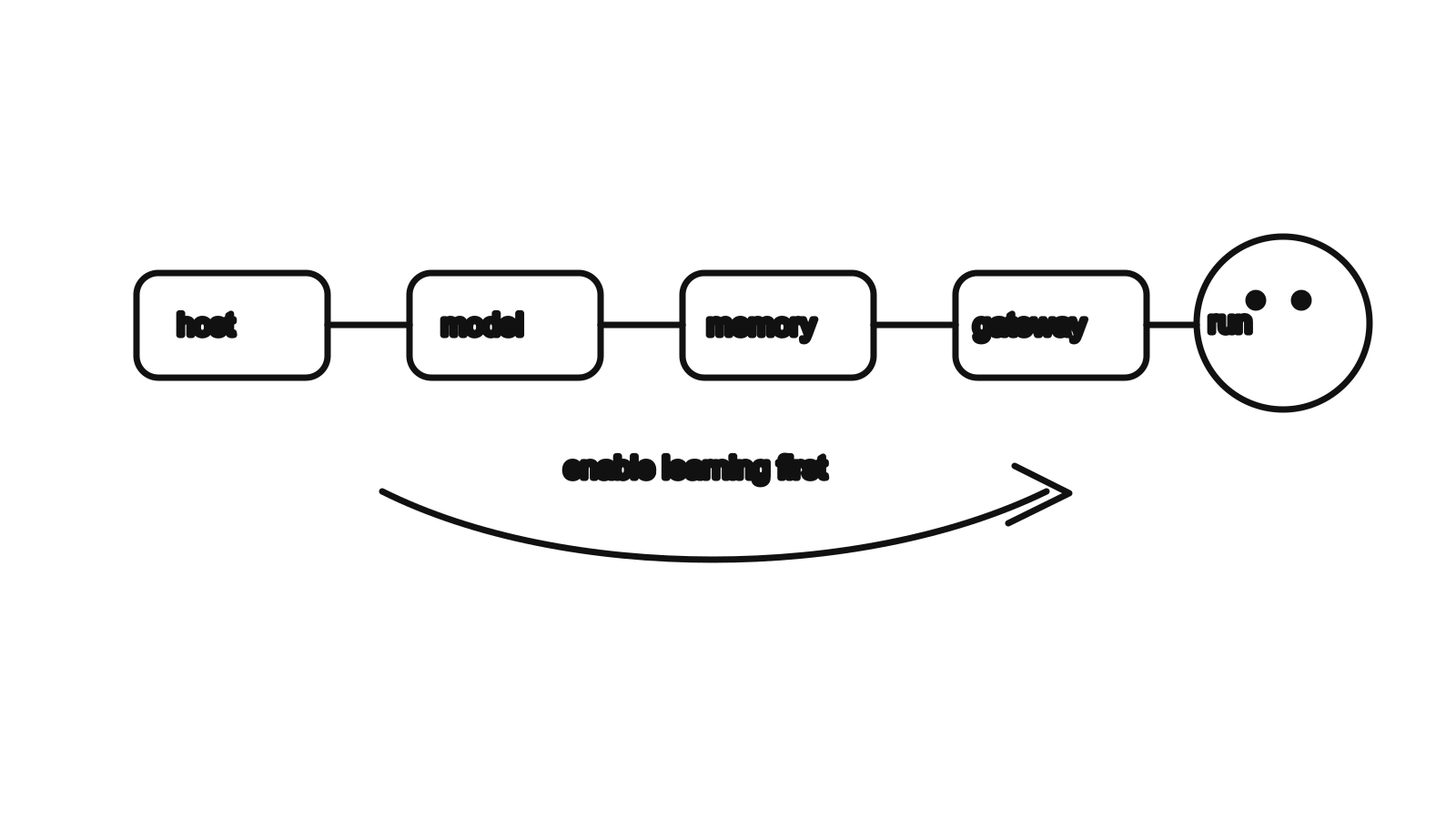
Hermes is not zero-effort, but it is not inaccessible either. A typical deployment path looks like this:
prepare a local machine or low-cost VPS
configure a model provider or local model backend
explicitly enable memory, reflection, or self-learning features in config
connect the platforms you want to use
validate behavior with a few repeated test tasks
One recurring theme in community feedback is that learning-related features may need explicit configuration. Installing Hermes does not automatically guarantee a visible learning loop on day one.
Cost
The economics are part of Hermes' appeal:
the framework itself is free and MIT licensed
self-hosting can start around a low-cost VPS tier
the main variable cost is model usage
local models can reduce or eliminate API spend
For people comfortable with self-hosting, the total cost can stay much lower than managed commercial agent platforms.
Hermes vs OpenClaw
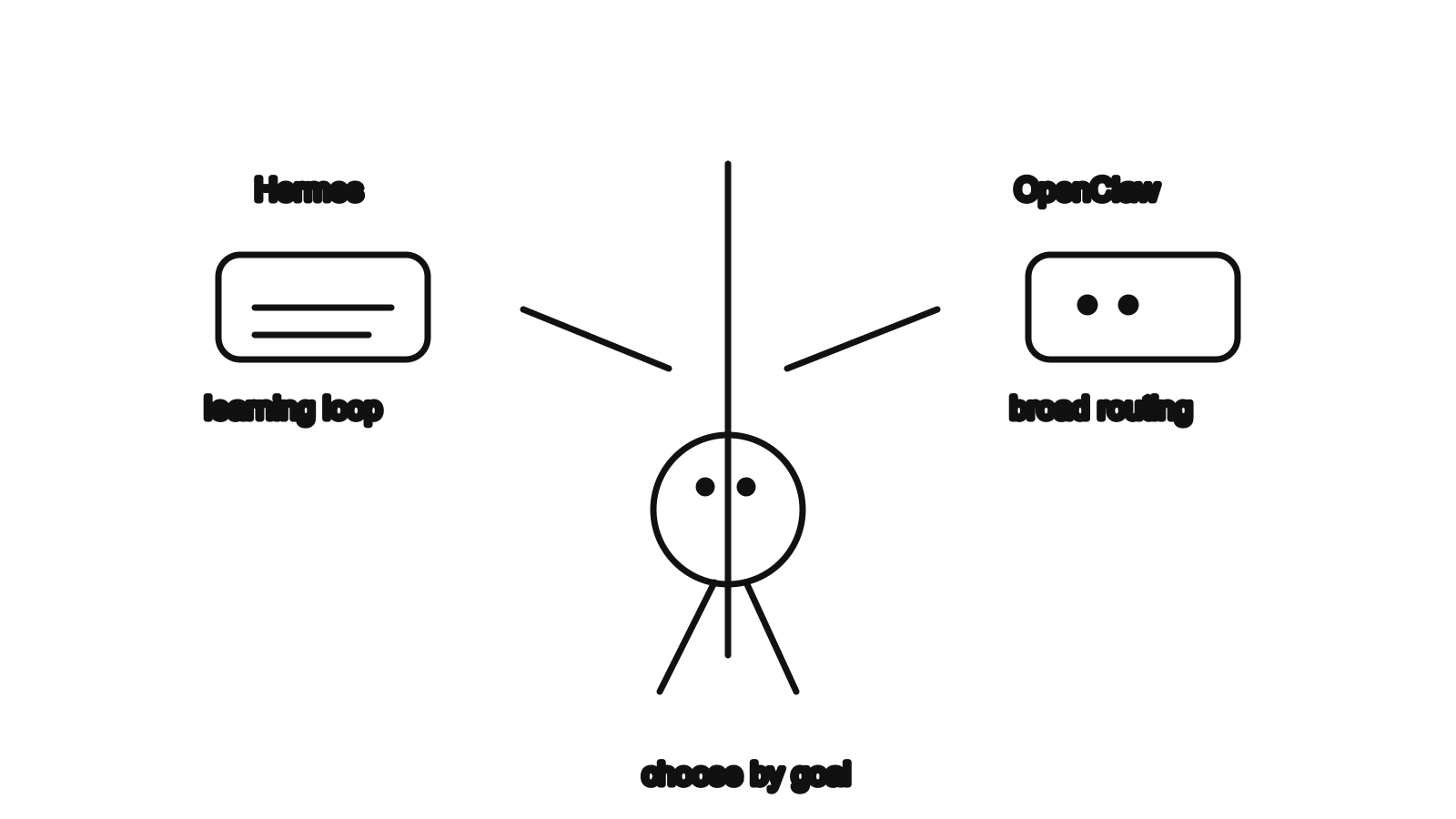
Hermes and OpenClaw are built around different priorities, so the better choice depends on your goal.
Choose Hermes When
you want an agent that improves on recurring tasks
persistent memory matters
skill accumulation matters
you can tolerate a more involved setup
you want one assistant to become more personalized over time
Choose OpenClaw When
maximum platform coverage matters most
you prefer simpler defaults
you want highly transparent file-based memory
your use case is more about broad routing than learned execution quality
The original article also points to an official migration guide, which reduces switching friction for existing OpenClaw users.
Common Use Cases
1. Automation and Scheduling
Hermes is well suited for recurring tasks such as research summaries, notifications, monitoring, and repeated operational workflows. Because memory persists across sessions, scheduled tasks can benefit from accumulated context.
2. Research and Analysis
Hermes is a strong fit for multi-day or multi-week topic tracking. Memory, web tooling, and reusable skills make it more useful than a single-shot assistant for deeper research work.
3. Personal AI Assistant
This is one of the most natural entry points. A Hermes agent running inside Telegram or WhatsApp can become a practical assistant that remembers preferences, style, and routine requests.
4. Development Support and Prototyping
Hermes is stronger at orchestration, research, task continuity, and automation than at pure code generation. For heavy engineering output, it usually makes sense to pair Hermes with a dedicated coding agent.
5. Training Data Generation
Another interesting angle is research usage. The article notes that Hermes can help generate trajectory data for fine-tuning workflows such as Atropos RL.
Limitations
Hermes is compelling, but it is not a universal answer.
1. Self-Improvement Is Incremental
The most important expectation reset is that Hermes does not upgrade the underlying model. Its learning effect comes from memory, reflection, and reusable skills. That is useful, but it is still domain-bound and task-shaped.
2. Setup Is More Involved Than the Pitch Suggests
If you expect plug-and-play learning out of the box, Hermes may disappoint. Several learning-related behaviors depend on explicit configuration rather than automatic defaults.
3. Memory Is Less Transparent Than File-Based Approaches
Automatic memory is convenient, but it can be harder to inspect exactly what the agent remembers or how it represents a user over time.
4. The Project Is Young and Fast-Moving
Rapid release velocity is exciting, but it also means behaviors, APIs, and workflows may shift as the project matures.
5. Platform Coverage Is Not the Broadest
Hermes is not trying to win on sheer integration count. If you need the widest possible channel coverage, other frameworks may still be a better fit.
6. Code Generation Is Not the Main Focus
Hermes can support software workflows, but it is not primarily built as a frontier coding agent replacement.
Bottom Line
Hermes Agent matters because it tries to solve a harder problem than “put an assistant in a chat window.” It tries to create an agent that accumulates useful experience over time.
It is a strong fit for people who:
are comfortable self-hosting
want a long-term assistant rather than a disposable bot
have recurring tasks that benefit from skill reuse
care about memory and sustained personalization
If your main priorities are the easiest setup and the broadest channel support, Hermes may not be the first tool to pick. But if you care about long-term compounding utility, Hermes is worth serious attention.
FAQs
Is Hermes Agent free?
Yes. The framework is open-source under the MIT license. The real costs come from hosting and model usage.
Does Hermes actually get better over time?
Yes, but mainly through memory, reflection, and skill reuse rather than underlying model upgrades.
What is the biggest difference between Hermes and OpenClaw?
Hermes focuses more on self-improvement and persistent memory, while OpenClaw is often framed around broader integrations and simpler operational transparency.
Who is Hermes best for?
People building long-term assistants, recurring automation, research workflows, and multi-surface personal agents.
Is Hermes ideal for serious code generation?
Not as a primary strength. It fits better as an orchestration and automation layer alongside dedicated coding agents.
Related Tools
Hermes Agent - the open-source framework itself.
Ollama - a practical way to run local models and reduce API spend.
Matrix - one of the supported communication surfaces.
Slack - a team-facing platform Hermes can connect to.
Discord - a common developer and community access point.
OpenClaw comparison coverage - useful context when evaluating alternatives.