OpenAI Is Pushing Codex Toward Knowledge Workers, and That Matters Beyond a Few New Features
OpenAI is pushing Codex beyond developer tooling and closer to a broader knowledge-work platform. This article breaks down Sites, Annotations, and role-specific plugins, and explains what they mean for AI workflows, AI websites, and products like We0.ai.

If you have been watching OpenAI Codex lately, one thing is becoming pretty clear:
It is no longer trying to stay only a tool for developers who write code.
According to The New Stack's report published on June 2, 2026, OpenAI centered this round of updates around three areas:
SitesAnnotationsnew role-specific
plugins
Taken together, these are not just feature additions. They look more like a product-boundary expansion:
Codex is moving from a coding agent toward a knowledge-work agent, and maybe even toward a broader workplace surface.
Why Sites Deserves Special Attention
The important part of Sites is not just that AI can build pages.
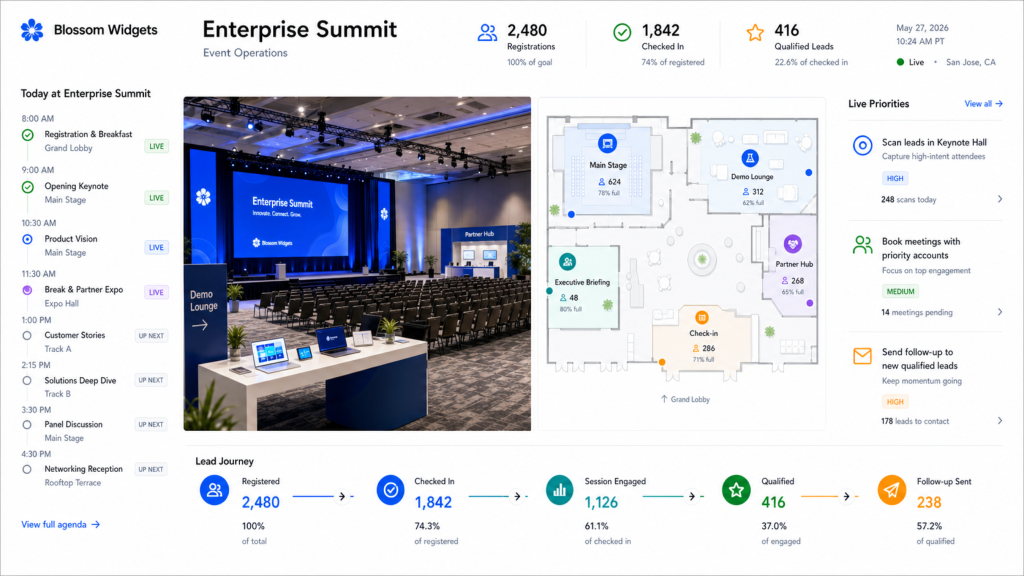
It is that work output, work process, and work interface are starting to become one shareable web surface.
Why Annotations Matters
Annotations lets users target a specific part of a document, spreadsheet, slide, or website so Codex can work inside local context instead of reprocessing everything from scratch.

What Role-Based Plugins Signal
The plugin direction suggests that Codex wants to become an AI system that can work with role-specific context, not just a general-purpose assistant.
Why This Also Matters for We0.ai
This trend matters for We0.ai because websites are increasingly becoming presentation systems, content systems, collaboration surfaces, search entry points, and AI-readable business surfaces at the same time.
FAQs
Why is OpenAI pushing Codex toward knowledge workers?
Because Codex is already being used by more than developers, and OpenAI is expanding it into docs, sites, analysis, and role-based workflows.
Is Codex Sites just an AI website builder?
Not really. Sites looks more like a way to package work into a shareable, collaborative, and editable web surface.
Why are the new plugins important?
Because they are organized around job functions and workflow types, which suggests Codex is moving toward a more realistic business workbench.