Claude 公开链接可能被 Google 搜到,We0.ai 是否应该增加“禁止搜索引擎收录”开关?
Claude 公开分享链接被搜索引擎发现的案例揭示了“可访问”与“可被全网检索”的差异,也说明 AI 产品应提供清晰的收录控制与隐私边界。
Claude 公开链接可能被 Google 搜到,We0.ai 是否应该增加“禁止搜索引擎收录”开关?
最近这件事,值得所有做 AI 产品、做网站工具的人停一下。
有媒体报道称,一些通过公开链接分享的 Claude 对话和 Artifacts 曾出现在 Google 搜索结果里。这里最容易被忽略的不是“Google 怎么会抓到”,而是另一个更产品化的问题:用户点了“分享”,到底是在允许别人打开,还是在允许全网发现?
两件事,看起来接近,实际上差得很远。
公开可访问,不等于用户已经理解并接受“可被搜索”。
对 We0.ai 这样的展示型网站增长平台来说,这不只是一个隐私按钮的小需求。它关系到建站之后的整条链路:Build → Showcase → Grow → Leads。有些页面要被 Google 看见;有些页面,只该被客户、同事或拿到链接的人看见。
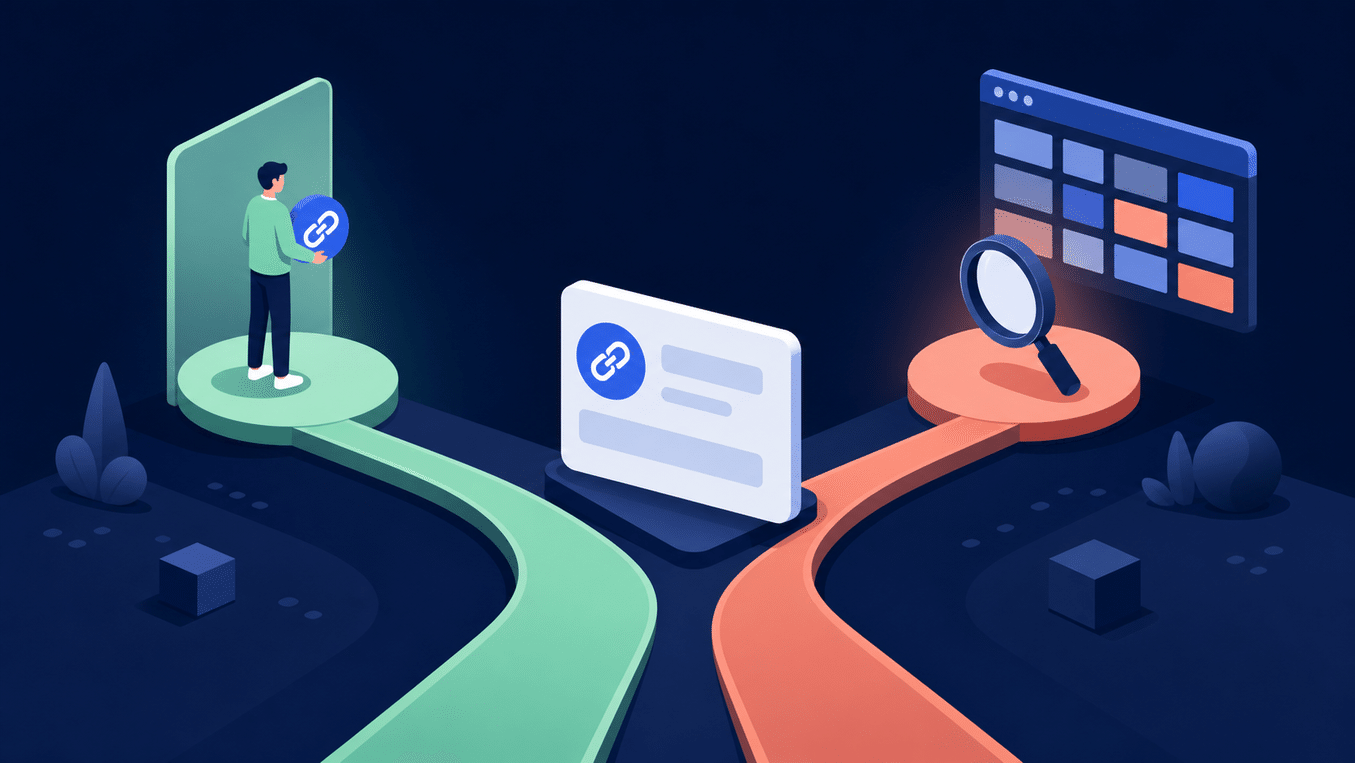
先把概念掰开:能打开,不等于能搜到
Claude 帮助中心对聊天分享的描述很直接:创建分享链接后,任何持有链接的人都可以查看该聊天快照。这是“链接访问”的承诺,不是天然的“搜索引擎不收录”承诺。
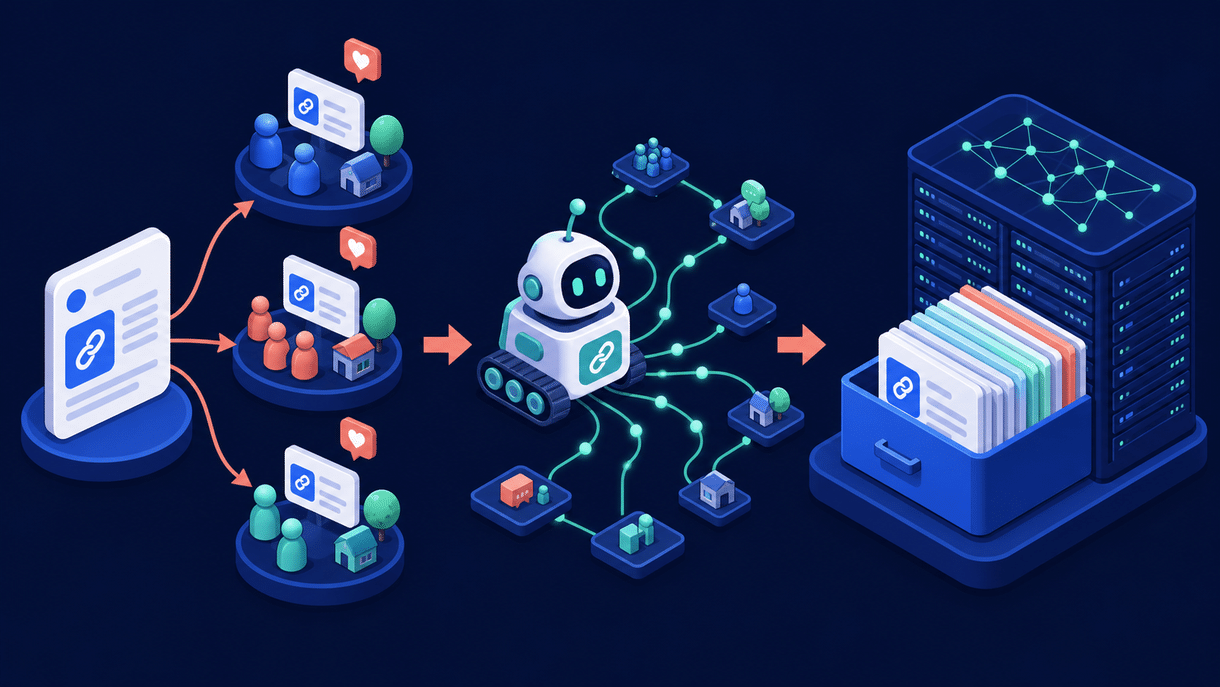
而搜索结果的出现,通常还要经过另一条路径:链接被发布到网页、论坛、社媒或其他可抓取位置;爬虫发现它;页面可抓取;搜索引擎决定建立索引。报道也指出,相关链接可能是因为被用户贴到了外部可访问的页面上,才被搜索引擎发现。
所以,讨论这件事时不能把所有责任和所有机制混在一起。但用户的真实感受往往只有一句:“我以为只是发给一个人,怎么别人搜一下就看到了?”
这正是产品设计该提前兜住的预期落差。
| 页面状态 | 谁能访问 | 是否可能被搜索发现 | 常见场景 |
|---|---|---|---|
| 私密 | 登录用户或受邀成员 | 否 | 草稿、客户资料、内部方案 |
| 持链接可访问 | 得到 URL 的人 | 有可能 | 客户预览、协作评审、临时分享 |
| 公开且可收录 | 全网用户 | 是 | 官网、产品页、博客、案例页 |
“持链接可访问”应该是独立的一层,而不是默认通向“可被 Google 找到”的中间状态。
这不是 Claude 独有的问题,是“公开 URL”的老问题在 AI 时代变大了
以前,一个公开 URL 多半是一篇文章、一张落地页。现在,它也可能是一段带上下文的 AI 对话、一个原型、报价草案、客户需求梳理,甚至一份还没打码的材料。
内容更密,生成更快,分享也更顺手。于是,一个很小的“Share”动作,可能比用户意识到的更接近发布。
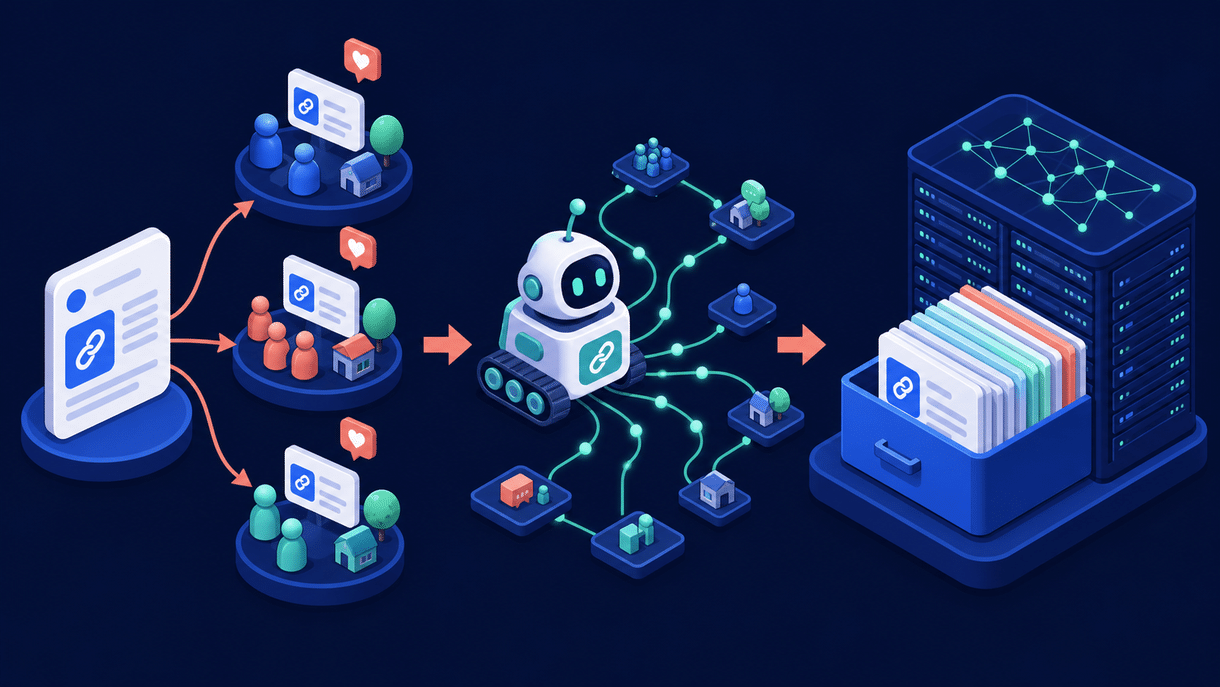
这里有个不太舒服、但很实用的判断:
链接不是密码。难猜的 URL 只是降低偶遇概率,不是搜索可见性的产品策略。
只要 URL 能被外部页面引用、能被爬虫访问,或者被人主动提交,搜索发现就不是零概率事件。更何况,用户不会逐个研究 robots 协议,也不会在分享前先理解抓取与索引的区别。
产品不能把这种理解成本,悄悄转嫁给用户。
We0.ai 应不应该做“禁止搜索引擎收录”开关?答案是:应该,而且不该只做一个开关
我的判断是:应该做。并且要把它做成页面可见性模型的一部分,而不是藏在高级设置里的 SEO 小项。
原因并不复杂。We0.ai 的核心价值,是让展示型网站成为可持续增长、可持续获客的资产。SEO 与 GEO 是增长能力,不是每个页面的默认命运。
一个品牌官网首页需要收录;一篇围绕长尾问题写的博客需要收录;一个还在给客户确认的案例页、活动预热页、渠道专属落地页,未必需要。
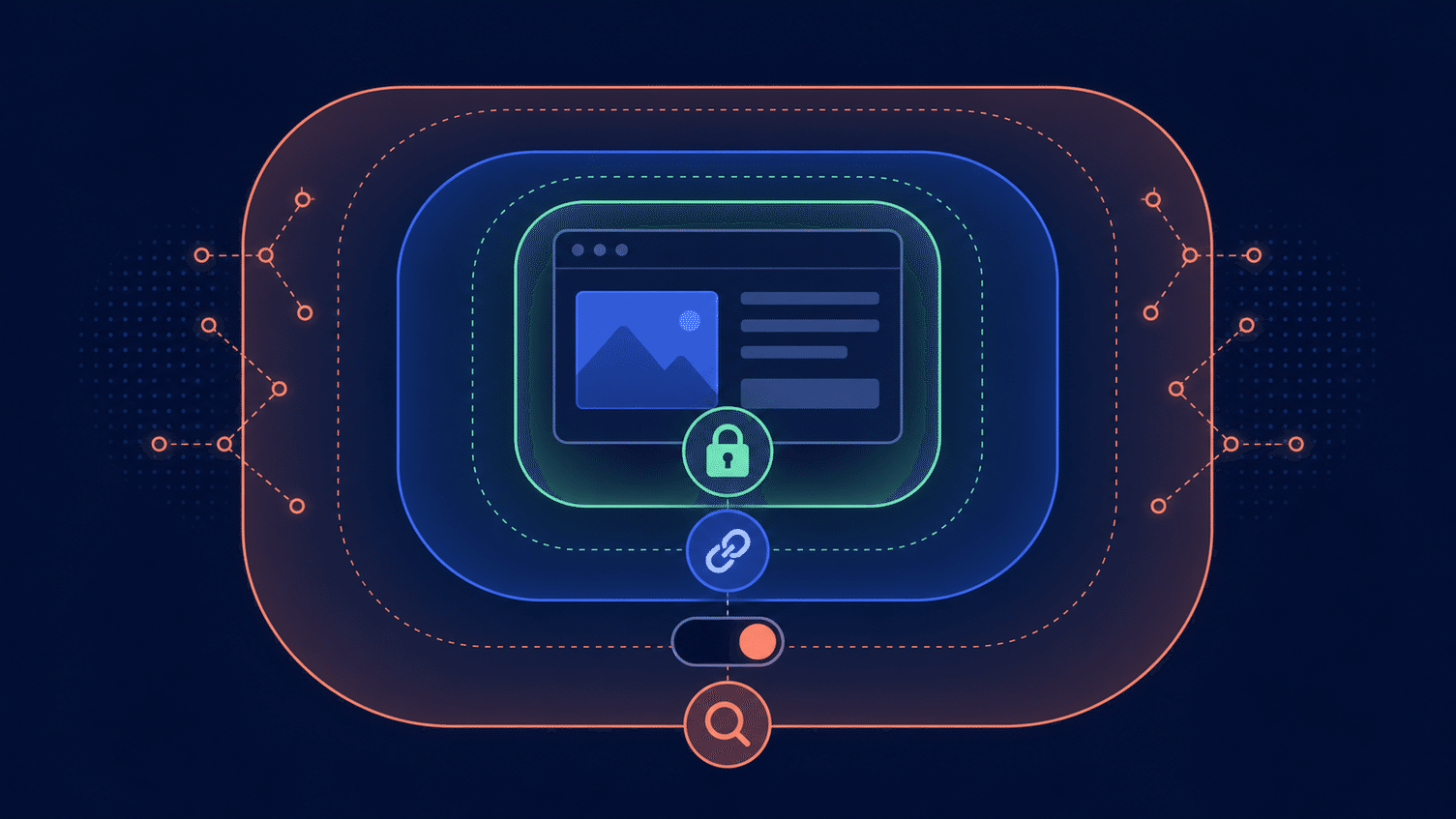
更合理的不是一个模糊的“公开 / 私密”,而是至少三档:
| 选项 | 推荐默认 | 系统动作 | 适合谁 |
|---|---|---|---|
| 私密草稿 | 新页面默认 | 访问受限,不进入站点地图 | 内部编辑、未发布内容 |
| 分享预览,不被收录 | 分享页默认 | 输出 noindex, nofollow;不进 sitemap |
客户预览、合作评审、临时活动页 |
| 公开发布并参与增长 | 正式发布时主动选择 | 可抓取、可进入 sitemap、参与 SEO/GEO 优化 | 官网、服务页、博客、案例页 |
这套设计里,最关键的不是技术,而是默认值。
- 用户新建预览页时,默认“不收录”;
- 用户点击正式发布时,明确告诉他“此页将允许搜索引擎发现”;
- 用户关闭收录后,系统自动从 sitemap 移除,并在页面
<head>输出meta robots="noindex"; - 已被收录的页面,给出状态提示与后续处理说明,而不是假装开关一按就从搜索结果消失。
Google 的官方文档也明确说明,noindex 可阻止页面出现在 Google 搜索结果中;同时,不要仅靠 robots.txt 来实现不收录。如果爬虫被 robots.txt 挡在门外,它甚至看不到页面里的 noindex 指令。
“禁止收录”会不会和 We0.ai 的 SEO 定位冲突?恰好相反
很容易有人说:We0.ai 强调 SEO、GEO 和获客,为什么还要给用户一个“不让搜”的按钮?
因为真正成熟的增长,不是把每个 URL 都推给搜索引擎。
增长的前提是可控。
没有边界的收录,会带来几个实际问题:
- 测试页、重复页进索引:稀释网站信号,也可能造成内容重复。
- 客户预览页被提前发现:价格、案例、活动信息在不该出现时出现。
- 低意图页面占用抓取与运营注意力:团队花时间清理,而不是增长。
- 用户不敢分享:一旦用户担心“发链接就等于公开上网”,协作会变慢。
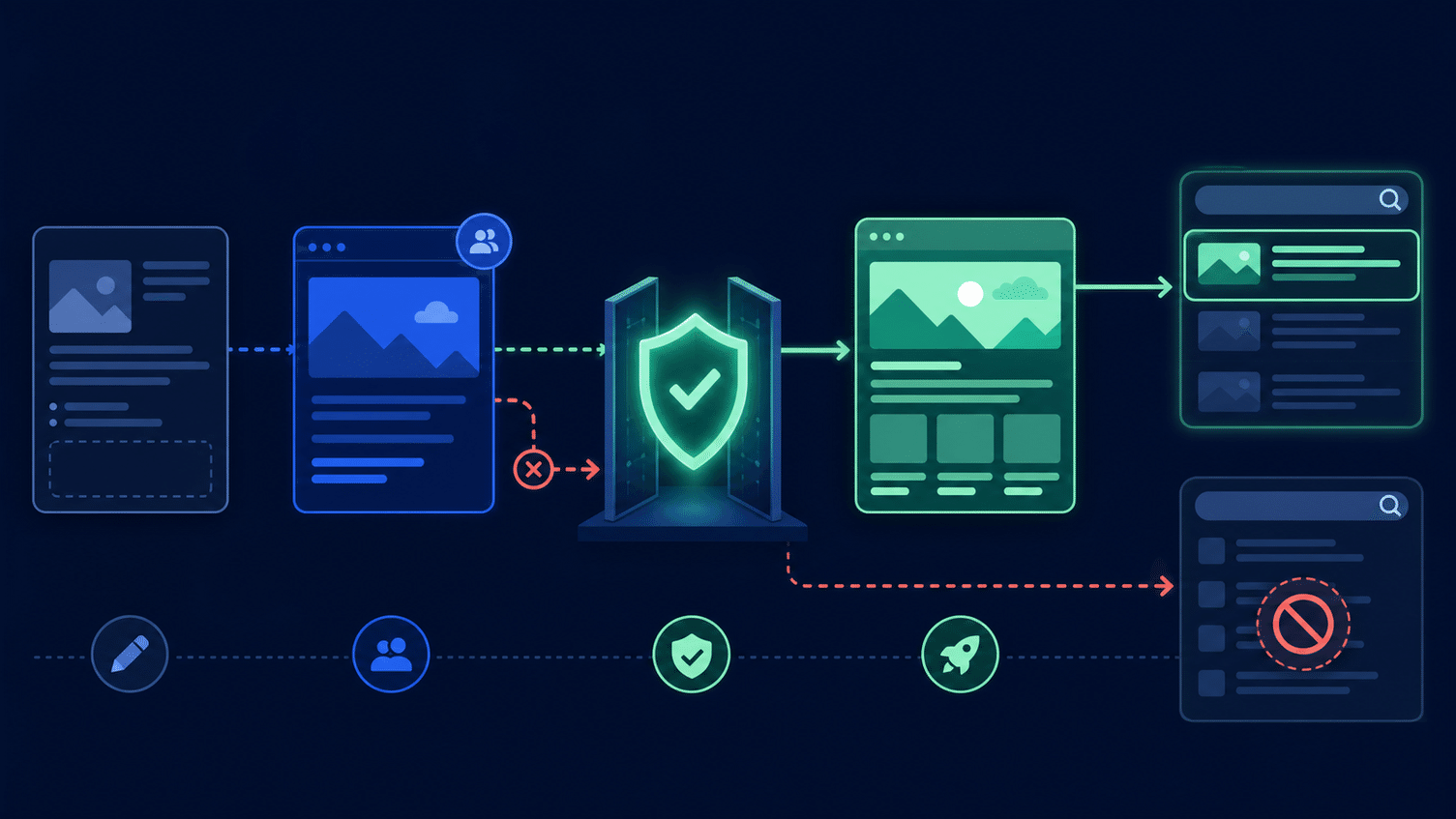
反过来,页面级收录控制会让 SEO 更干净:该增长的页面进入 sitemap、持续做关键词与内容优化;不该增长的页面留在预览层。不是少做 SEO,而是让 SEO 只服务真正想获得流量和线索的页面。
这也更符合 We0.ai 的定位:不是交付一个页面就结束,而是帮助用户持续运营网站,监控表现,优化内容与转化路径,最后把展示站做成获客资产。
一个可落地的 We0.ai 方案:把“搜索可见性”做成发布流程
别把 noindex 放到一个没人会打开的二级菜单。更好的方式,是把它放进每次发布的必经决策里:
1. 发布前,给一句人话提醒
此页面将可被搜索引擎抓取和收录,适合正式官网、内容文章和希望获得自然流量的落地页。
旁边给出“仅分享,不被搜索收录”的选项。别用术语吓人,但要把后果说清楚。
2. 页面列表里,直接显示可见性状态
用“私密 / 预览不收录 / 已发布可收录”这样的标签。用户需要一眼看懂,而不是翻开发者工具确认。
3. 收录开关要连动,而不是只改一个标签
建议至少连动:
meta robots指令;- XML sitemap 是否包含该 URL;
- 站内导航与 RSS 是否暴露;
- canonical 的默认策略;
- 已收录风险提示、重新抓取或移除说明。
4. 给团队和代理商更多权限
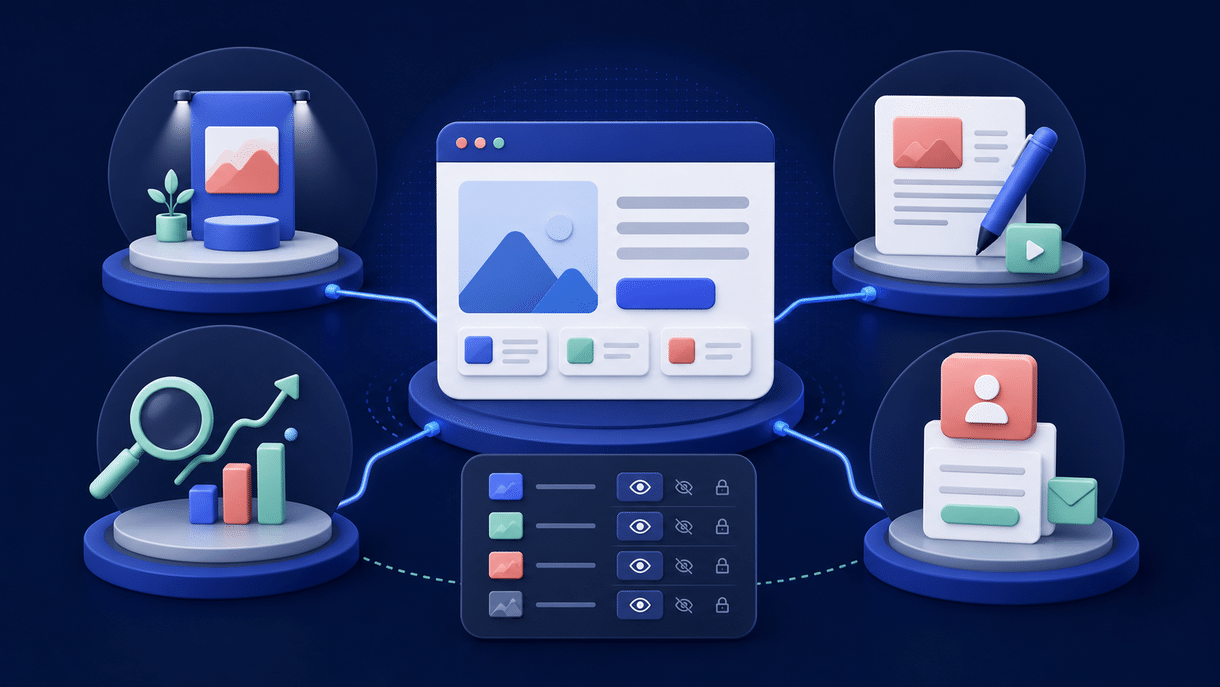
Agency、外贸团队、顾问很常见的工作流是:先做页面 → 给客户看 → 修改 → 确认 → 发布。对他们而言,“预览链接默认不收录”不是锦上添花,是降低交付事故概率的基础能力。
结论:应该增加,但名字最好不止叫“禁止搜索引擎收录”
如果只问一句:We0.ai 要不要增加这个开关?我的答案是:要。
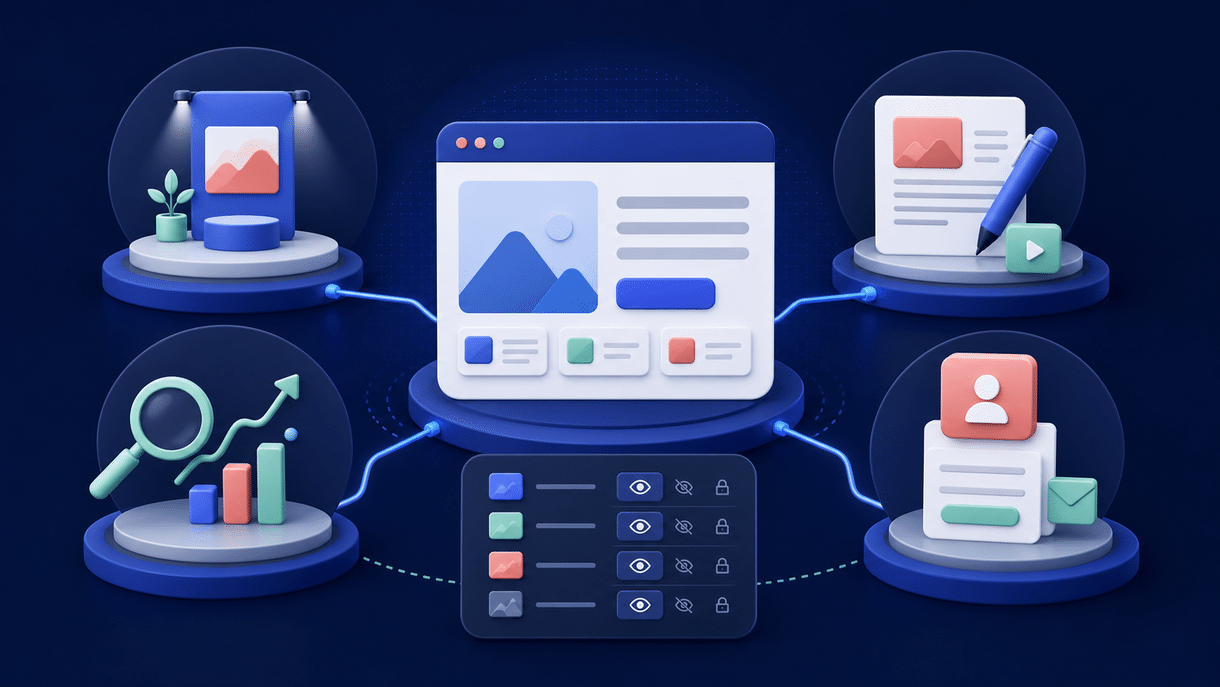
但更进一步,它应该升级为一个用户能理解的“页面可见性”能力:
- Private:只给自己和团队;
- Shareable, not searchable:可以发链接,但默认不参与搜索;
- Public & discoverable:正式发布,进入 SEO / GEO 增长链路。
这会让 We0.ai 的产品表达更完整:不是让用户把页面一股脑发布出去,而是让用户有意识地管理展示、增长与线索的边界。
Claude 公开链接的讨论,未必意味着每个分享链接都会被 Google 搜到;但它已经足够提醒我们:在“生成、分享、发布”几乎连成一个动作的今天,产品必须把“可访问”和“可发现”拆开讲,拆开做。
FAQ
Claude 的公开分享链接一定会被 Google 收录吗?
不一定。是否被收录取决于链接是否被爬虫发现、页面是否允许抓取、搜索引擎的索引判断等多个条件。但“任何持有链接的人都能访问”并不等同于“不可能被搜索发现”。
noindex 和 robots.txt 有什么区别?
noindex 是告诉搜索引擎不要把页面放进结果页的指令。robots.txt 主要用于管理抓取;如果只封 robots.txt,爬虫可能无法读取页面上的 noindex。应按 Google 官方建议正确组合使用。
We0.ai 哪些页面适合禁止收录?
客户预览、测试页、渠道专属页、未确认案例、内部资源页、短期活动草稿,通常都适合默认不收录。正式官网、服务页、案例页、博客内容,则更适合进入持续 SEO/GEO 优化。
关闭收录后,搜索结果会立刻消失吗?
不会保证立刻。搜索引擎需要重新抓取和处理页面。产品界面应向用户说明这一点,并在必要时提供搜索平台移除流程的引导。
Related Tools
Sources
- Anthropic Help Center — Share and unshare chats
- TechCrunch — Public Claude shared chats and Artifacts may have ended up on Google
- Axios — Google search is indexing public Claude artifacts
- Google Search Central — Block Search Indexing with noindex
- Google Search Central — Robots Meta Tags
Ready to Build?
想做一个不只是“能上线”,还能够按页面目标持续展示、增长、获客的网站?试试 We0 AI。该被看见的页面去拿流量;还在准备的页面,先留在该留的位置。
Conclusion
SEO 的目标不是让所有页面被看见,而是让正确的页面,在正确的时间,被正确的人找到。 对 We0.ai 来说,一个清晰的“禁止搜索引擎收录”开关,不会削弱增长能力,反而会让增长更可控、更可信。
title: "If Claude Public Links Can Surface on Google, Should We0.ai Add a Noindex Toggle?"
chinese_title: "Claude 公开链接可能被 Google 搜到,We0.ai 是否应该增加“禁止搜索引擎收录”开关?"
seo_title: "Claude Public Links in Google: Should We0.ai Add a Noindex Toggle?"
seo_description: "Reports of public Claude links appearing in Google results highlight a product-design gap: being accessible by URL is not the same as being meant for search. Should We0.ai offer page-level noindex controls?"
seo_keywords: "Claude public links, Claude Google indexing, Claude shared chats, noindex, block search indexing, Google indexing, robots meta tag, AI website privacy, We0.ai, website visibility settings, SEO controls"
slug: "claude-public-links-google-indexing-we0-noindex-toggle"
If Claude Public Links Can Surface on Google, Should We0.ai Add a Noindex Toggle?
This is one of those stories that should make anyone building AI products or website tools pause for a second.
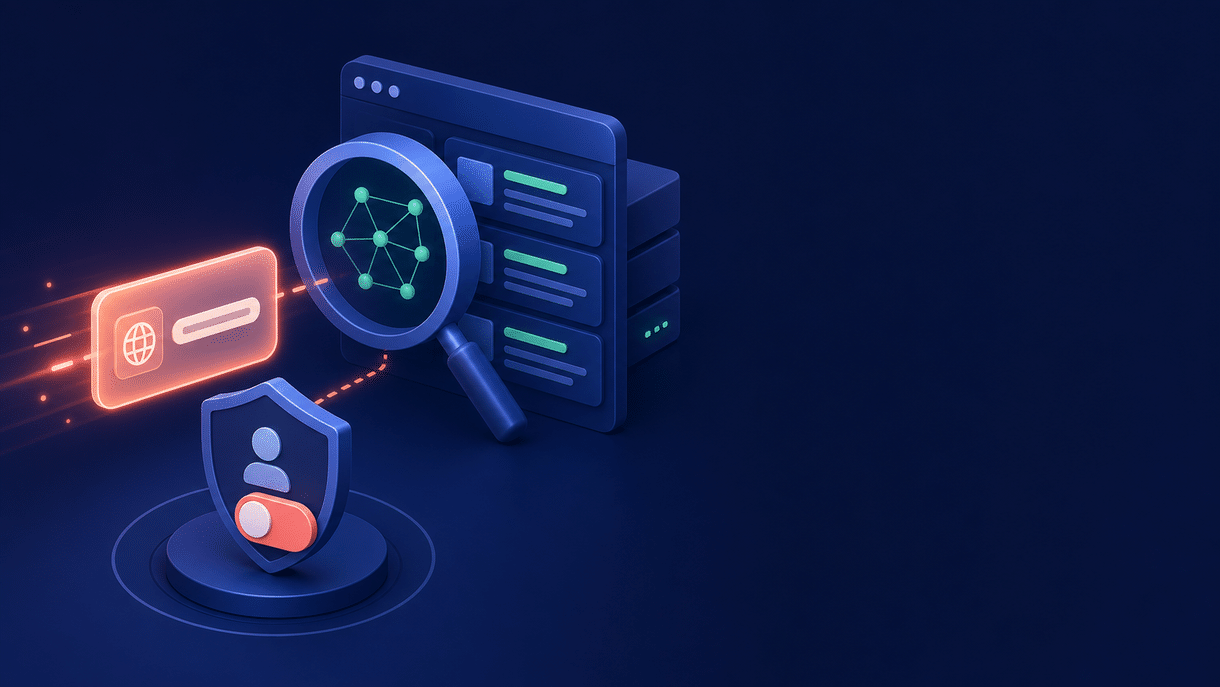
Recent reports said that some Claude conversations and Artifacts shared through public links had appeared in Google results. The interesting question is not only, “How did Google find them?” It is more product-specific than that: when a user clicks Share, are they agreeing to let someone open a link—or to let the entire web discover it?
Those sound similar. They are not.
Publicly accessible does not automatically mean a user expects it to be searchable.
For a showcase website growth platform like We0.ai, this is not a tiny privacy-setting request. It touches the whole path: Build → Showcase → Grow → Leads. Some pages need Google to find them. Others should be visible only to a client, a teammate, or someone who has the exact link.
Let’s separate the two ideas: openable is not searchable
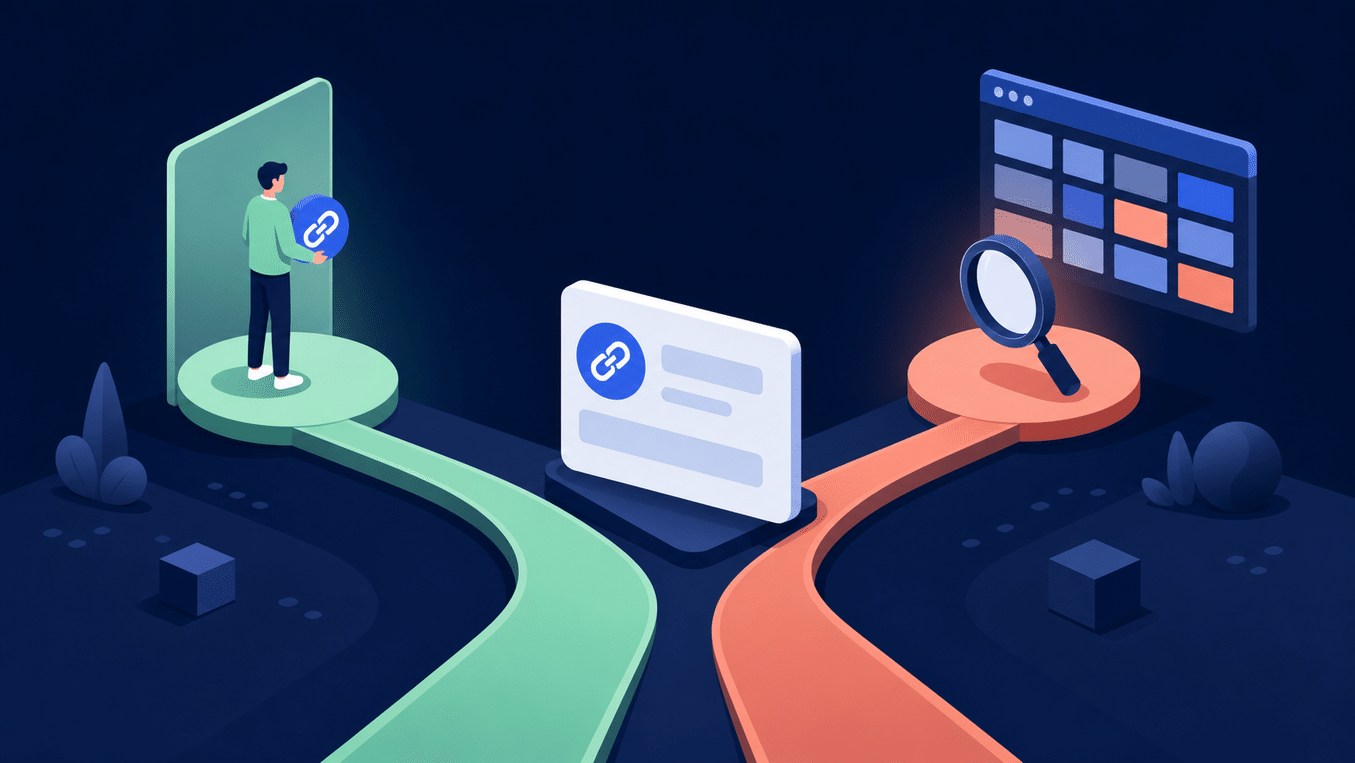
Claude’s Help Center is clear about chat sharing: once a share link is created, anyone with the link can view a snapshot of that chat. That is a promise about link access. It is not, by itself, a promise that search engines cannot index it.
For something to appear in search, another path usually has to exist: the link is posted on a page, forum, social network, or another crawlable location; a crawler discovers it; the page can be fetched; then a search engine decides whether to index it. Reporting on this incident also noted that external posting may have been how these URLs were discovered.
So no, every mechanism and every responsibility should not be collapsed into one claim. But the user experience often reduces to one painfully simple sentence: “I thought I sent this to one person. Why can strangers find it in search?”
That expectation gap is exactly what product design should catch before it becomes an incident.
| Page state | Who can access it? | Can it become searchable? | Typical use case |
|---|---|---|---|
| Private | Signed-in or invited people | No | Drafts, client data, internal plans |
| Link-accessible | Anyone who gets the URL | Potentially | Client previews, reviews, temporary sharing |
| Public and indexable | Anyone on the web | Yes | Websites, product pages, blogs, case studies |
“Anyone with the link” should be its own layer—not a vague middle state that quietly leads to search visibility.
This is not just a Claude problem. It is an old public-URL problem made bigger by AI.
A public URL used to be mostly an article or a landing page. Now it can hold a richly contextual AI conversation, a prototype, a pricing draft, a client brief, or a document that has not been properly redacted.
Content is denser. Generation is faster. Sharing is frictionless. A small click on Share can be much closer to publishing than users realize.
Here is the slightly uncomfortable but useful rule:
A link is not a password. A hard-to-guess URL lowers the chance of accidental discovery; it is not a search-visibility strategy.
If a URL can be cited on a public page, fetched by a crawler, or deliberately submitted somewhere, search discovery is not a zero-probability event. And users will not study robots directives before sharing. They should not have to.
A product should not quietly transfer that complexity to its users.
Should We0.ai add a “block search indexing” toggle? Yes—and it should be more than a toggle.
My answer is yes. But it should be treated as part of a page visibility model, not buried as a small SEO option inside advanced settings.
The reason is straightforward. We0.ai helps turn showcase websites into assets that can keep growing and generating leads. SEO and GEO are growth capabilities; they are not the default fate of every page.
Your brand homepage should be indexed. A blog post built around a long-tail query should be indexed. A case-study draft awaiting client approval, an early campaign page, or a channel-only landing page may not need to be.
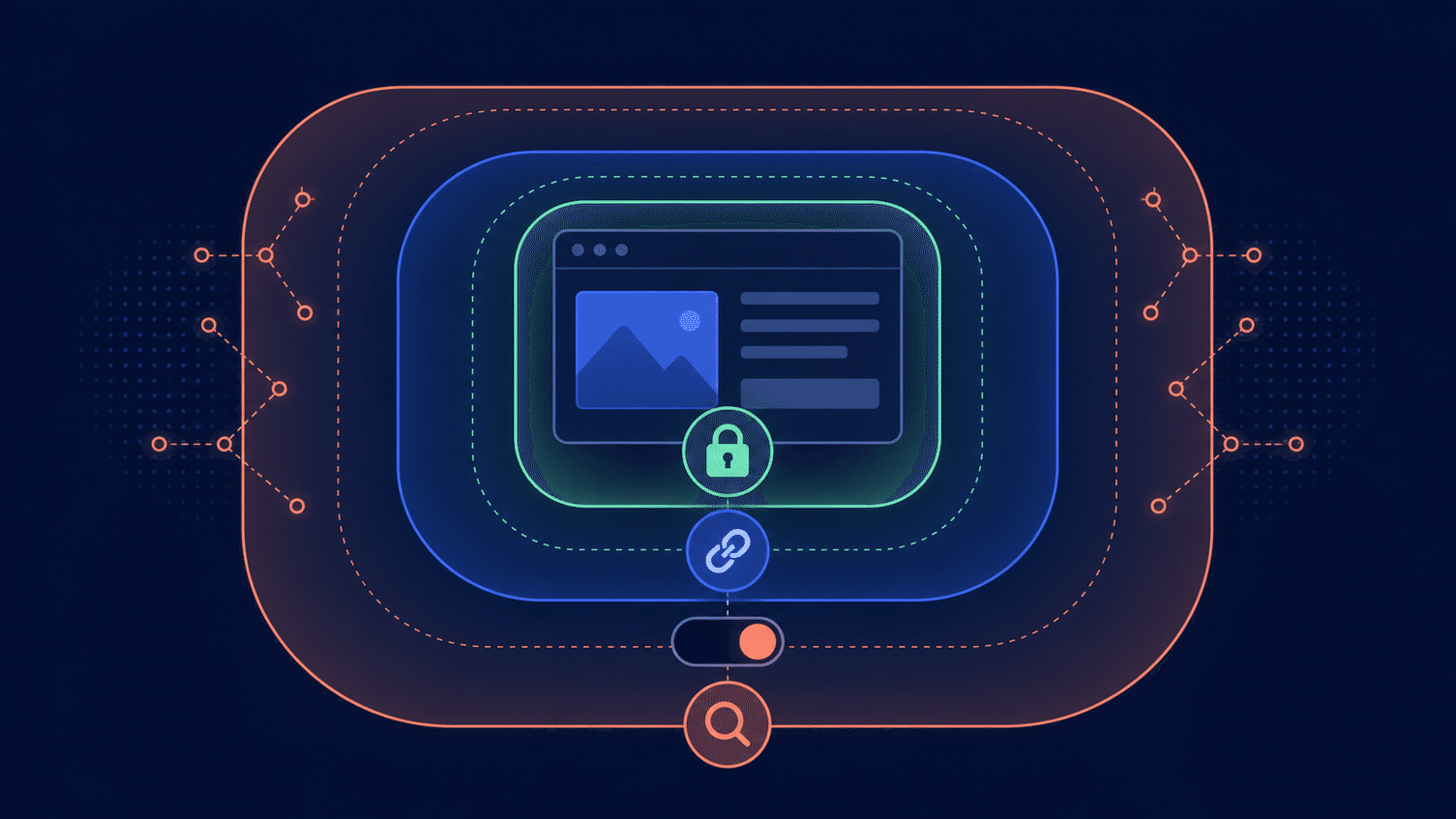
Instead of a fuzzy “public / private” binary, We0.ai should offer at least three clear states:
| Option | Recommended default | System behavior | Best for |
|---|---|---|---|
| Private draft | Default for new pages | Restricted access; excluded from sitemap | Internal work, unpublished content |
| Share preview, do not index | Default for share links | Sends noindex, nofollow; excluded from sitemap |
Client review, partner feedback, temporary pages |
| Publish and grow | Chosen intentionally at launch | Crawlable, in sitemap, eligible for SEO/GEO work | Websites, services, blog posts, case studies |
The most important part of that model is not the code. It is the default.
- New preview pages should be noindex by default.
- When someone publishes, tell them plainly that search engines may discover the page.
- When indexing is turned off, remove the URL from the sitemap and output a
meta robots="noindex"directive. - For pages already indexed, show realistic status guidance. A toggle does not make a search result disappear instantly.
Google’s own documentation says that noindex can prevent a page from appearing in Google Search. It also warns against treating robots.txt as an indexing block: if Googlebot is blocked from fetching the page, it may never see the noindex instruction on it.
Does “do not index” conflict with We0.ai’s SEO promise? It does the opposite.
A fair question is: if We0.ai is about SEO, GEO, and lead generation, why give people a button that says “don’t let search find this?”
Because mature growth is not about throwing every URL at Google.
Control comes before growth.
Uncontrolled indexation creates real problems:
- Test pages and duplicates enter the index, diluting site signals and creating content overlap.
- Client previews surface too early, exposing pricing, campaign details, or unfinished case studies.
- Low-intent pages consume crawl and operational attention, leaving teams to clean up instead of grow.
- Users become hesitant to share, because “send a link” starts to feel like “publish it to the web.”
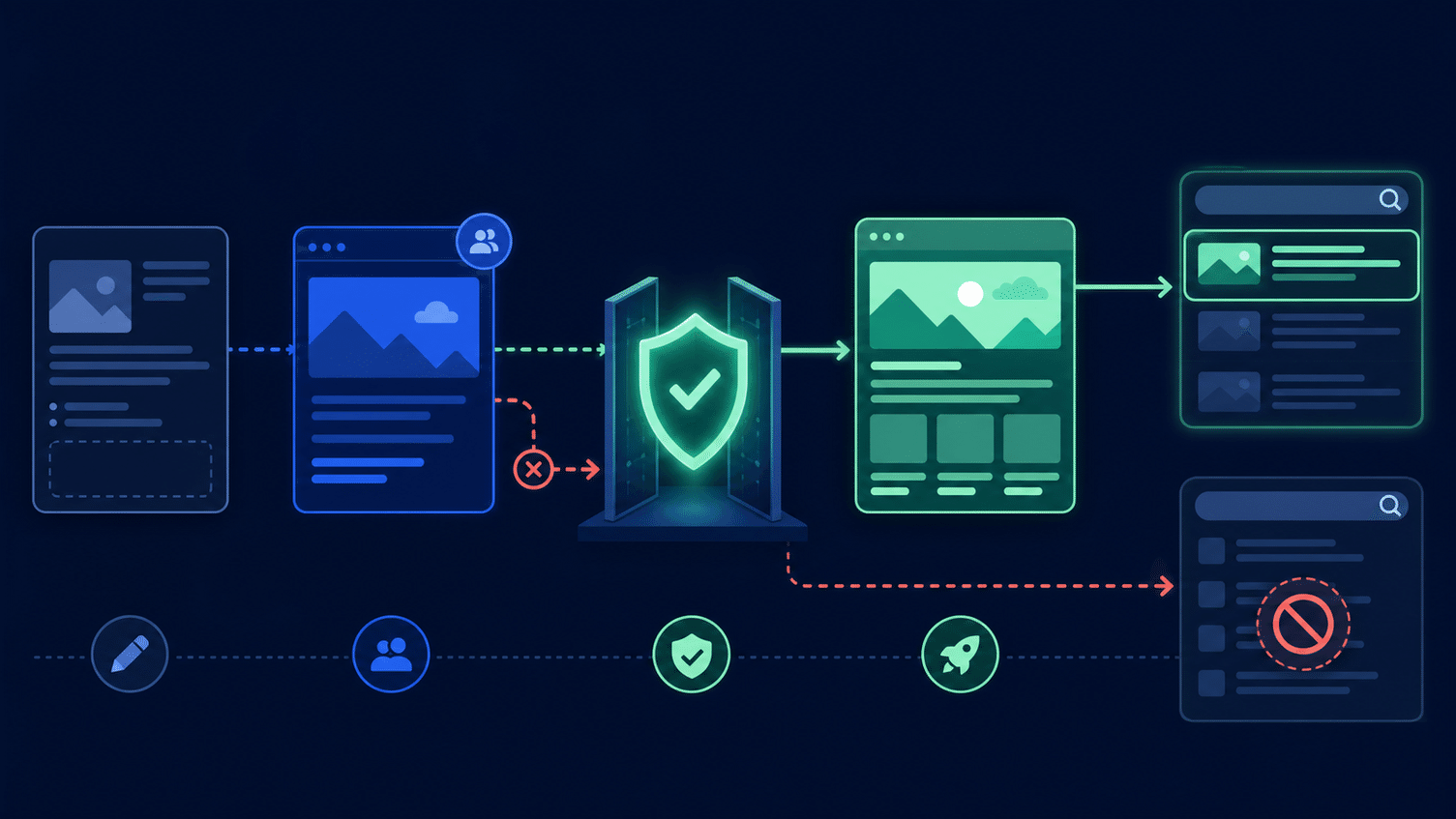
Page-level indexing controls make SEO cleaner in the other direction. Pages intended to grow can enter the sitemap and receive ongoing keyword, content, and conversion work. Pages not intended to grow stay in the preview layer. That is not doing less SEO. It is making SEO serve only the pages that should earn traffic and leads.
That is also much closer to what We0.ai stands for. It is not about handing over a page and walking away. It is about helping people operate a website after launch: monitoring performance, improving content and conversion paths, and turning a showcase site into a durable acquisition asset.
A practical We0.ai approach: make search visibility part of publishing
Do not hide noindex in a second-level menu nobody will open. Put the decision into the publishing flow.
1. Use plain-language guidance before publishing
This page can be crawled and indexed by search engines. Use this for official website pages, content, and landing pages you want to earn organic traffic.
Place a clear “Share only, do not appear in search” option beside it. Do not overload people with jargon, but make the consequence obvious.
2. Show visibility status in the page list
Use labels such as “Private,” “Shared — not indexed,” and “Published — indexable.” Users should understand their exposure at a glance, not by opening developer tools.
3. Make the control trigger real system behavior
At minimum, the setting should coordinate:
meta robotsdirectives;- inclusion in the XML sitemap;
- exposure through site navigation and RSS;
- a sensible canonical strategy;
- warnings and next steps for pages that may already be indexed.
4. Give teams and agencies the controls they actually need
For agencies, export teams, and consultants, the workflow is familiar: build a page → send it to a client → revise → get approval → publish. For them, “shared previews are noindex by default” is not a nice extra. It prevents avoidable delivery mistakes.
The conclusion: add it—but call it a visibility model, not only a noindex switch
If the question is simply whether We0.ai should add this control, the answer is yes.
But it should become a user-friendly page visibility system:
- Private: for you and your team.
- Shareable, not searchable: send the URL, but do not opt into search by default.
- Public and discoverable: publish intentionally and enter the SEO/GEO growth path.
That makes We0.ai’s product story more complete: it does not push users to publish everything blindly; it helps them manage the boundary between showcasing, growing, and capturing leads.
The discussion around Claude public links does not mean every shared URL will show up on Google. But it is enough of a reminder: when generating, sharing, and publishing are nearly one motion, products need to separate “accessible” from “discoverable”—in the language they use and in the systems they build.
FAQ
Will every public Claude share link be indexed by Google?
No. Indexing depends on whether the URL is discovered by crawlers, whether the page can be fetched, and a search engine’s own indexing decisions. But “anyone with the link can access it” does not mean it is impossible for search engines to discover it.
What is the difference between noindex and robots.txt?
noindex tells search engines not to include a page in results. robots.txt primarily manages crawling. If you only block a URL in robots.txt, a crawler may not be able to read the noindex directive on the page. Follow Google’s implementation guidance for the right combination.
Which We0.ai pages should be set to noindex?
Client previews, test pages, channel-specific landing pages, unapproved case studies, internal resource pages, and temporary campaign drafts are strong candidates. Official homepages, service pages, case studies, and blog content are generally better candidates for ongoing SEO/GEO work.
Does turning indexing off remove a page from Google immediately?
Not necessarily. Search engines need time to revisit and process a URL. A good product interface should explain that clearly and guide users through removal workflows when needed.
Related Tools
- We0 AI — turn showcase websites into growth and lead-generation assets
- Google Search Central — Block Search Indexing with noindex
- Google Search Console
Sources
- Anthropic Help Center — Share and unshare chats
- TechCrunch — Public Claude shared chats and Artifacts may have ended up on Google
- Axios — Google search is indexing public Claude artifacts
- Google Search Central — Block Search Indexing with noindex
- Google Search Central — Robots Meta Tags
Ready to Build?
Want a website that does more than go live—a website you can deliberately showcase, grow, and turn into leads? Try We0 AI. Let the pages meant to be found earn traffic. Keep the pages still in progress where they belong.
Conclusion
SEO is not about making every page visible. It is about making the right page discoverable by the right person at the right time. For We0.ai, a clear “block search indexing” control would not weaken its growth promise. It would make growth more deliberate, trustworthy, and useful.